

By Alan Byer
The Augusta Heritage Center has been operating in Randolph County since 1973. For more than 50 years, they have worked to preserve and promote the living cultural traditions of West Virginia, Appalachia, and beyond. Since its inception, the organization has grown from a regional gem, into—as they so eloquently phrase it on their website—“an internationally recognized home for roots arts education, welcoming generations of artists, students, and cultural travelers to learn directly from master tradition bearers. Each summer, Augusta’s immersive workshops bring hundreds of participants and faculty to Elkins for weeks filled with music, dance, craft, storytelling, and community connection.”
A primary focus of Augusta and its mission has been the preservation and continuation of its extensive archives. Started by 2026 NEA National Heritage Fellow Gerry Milnes who served as Folk Art Coordinator at the Augusta Heritage Center from 1988 to 2013, this archive is “a living repository of recordings, photographs, oral histories, and rare materials documenting Appalachian cultural traditions and the artists who carry them. This collection serves both scholars and community members, ensuring that priceless cultural memory not only endures, but continues to inform and inspire new generations of tradition bearers.”

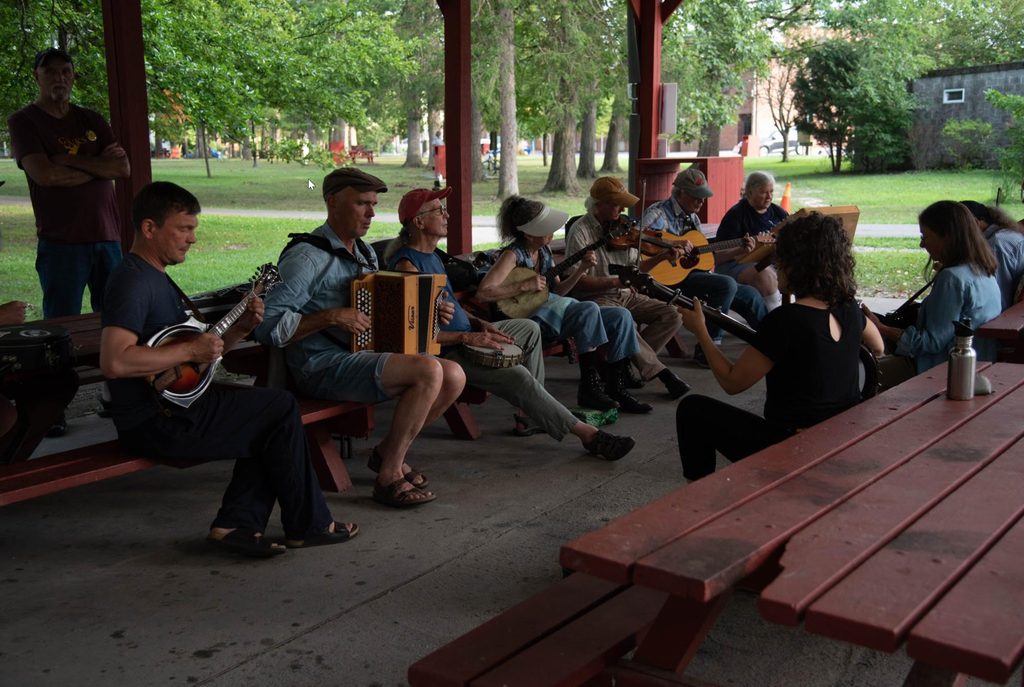
Augusta became an independent 501(c)(3) nonprofit organization for the very first time in its history in 2022. With this move, they also purchased the historic Wilt Building in downtown Elkins. With plans to open in June 2026, the Wilt Building will serve as “a vibrant cultural hub, featuring a café, community space, and dance hall, creating a year-round home for Augusta’s programs and energizing downtown through regular performances, classes, and gatherings.”
As stated in their mission, “at its heart, Augusta is about more than preservation; it’s about participation. Through hands-on learning, intergenerational exchange, and celebration of living traditions, Augusta connects people to the creative spirit of Appalachia and the shared cultural heritage that continues to inspire artists across the world.”
Nothing Stays the Same but Change Itself
For more than 40 years, Augusta Heritage Center in Elkins was closely associated with Davis & Elkins College and, up until this year, used the school’s buildings for Summer Augusta classes, housed participants in its dormitories, provided meals in the Benedum Dining Room, sponsored dances in the D&E Dance Pavilion, and presented concerts in the D&E Harper-McNeeley Auditorium, but that’s all about to change. In 2023, Augusta Heritage bought the historic Wilt Building, at the corner of Davis Avenue and Third Street in downtown Elkins, for $450,000, and immediately began a three-phased renovation.
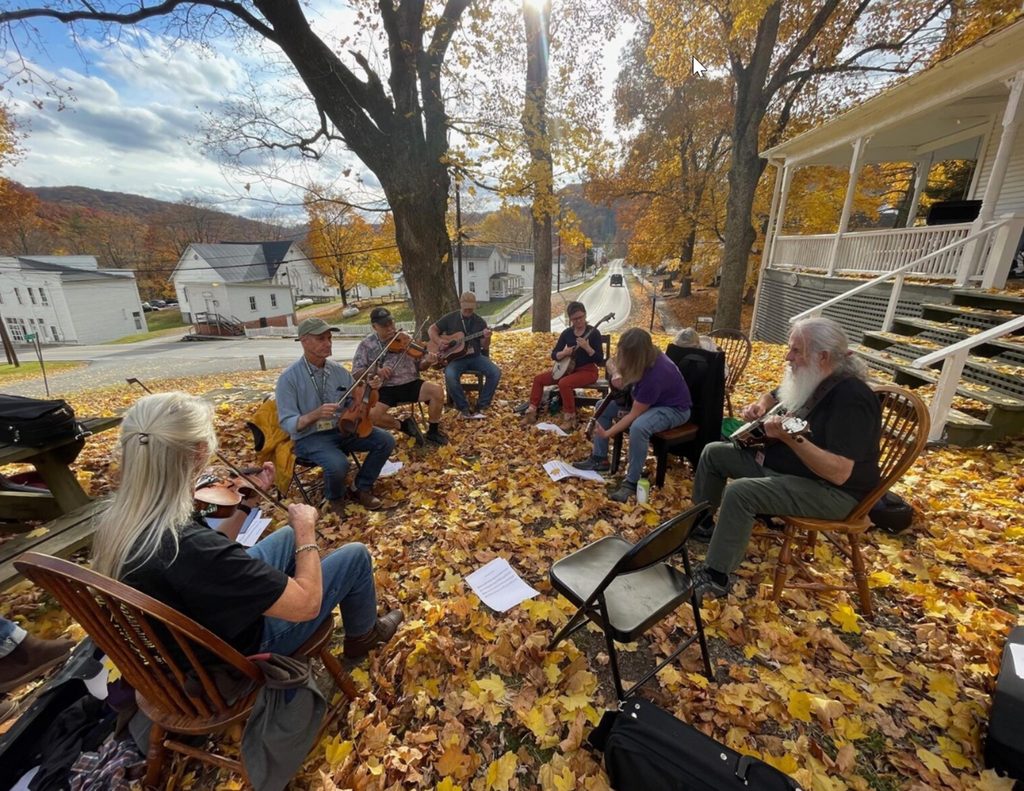
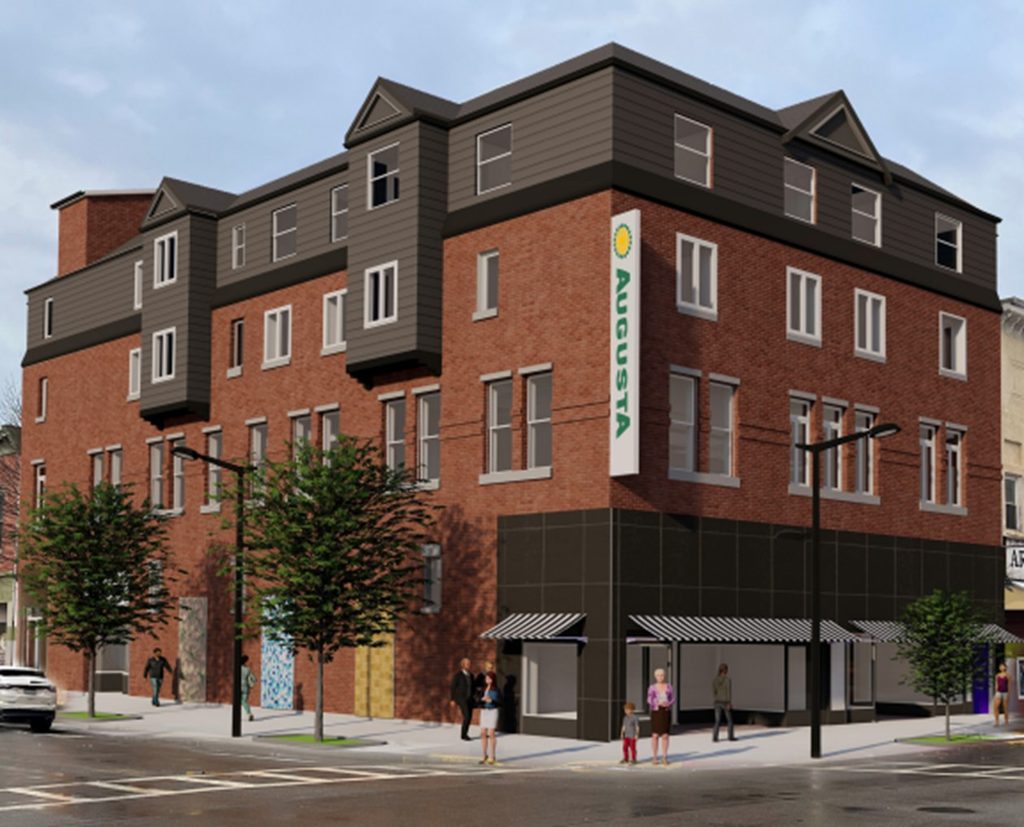
As I write this, the first two phases, renovating/updating the apartments on the third and fourth floors and creating Augusta offices and classrooms on the second floor, are largely completed. Work continues on phase three, converting part of the first floor to a bakery/kitchen, The Baker’s Daughter, and the remainder to a combination dance floor and event/performance space. Thanks to a very generous donation from benefactress Pamela Moe, a custom-built “sprung” dance floor is rising from the damage caused by a late-2025 plumbing failure.
A sprung dance floor absorbs shock using a layered subfloor. To achieve this, sprung floors are designed to be “floating” (no nails), and feature a resilient base layer (rubber pads, springs, or foam), a middle support layer (2x4s or plywood beams), and a top layer (typically plywood sheets covered with protective hardwood or vinyl).
Augusta plans to augment this multipurpose first-floor space and the second floor classrooms with other downtown venues.


The Historic Wilt Building
By Alan Byer
Information about and high-quality period photographs of the Wilt Building are hard to come by, and the best of both I could find came from a framed photograph on the wall of C. J. Maggie’s Restaurant, next door to the Wilt Building. C. J. and Jeannie Ryland, the owners, very generously loaned the photograph and caption to me for this article.

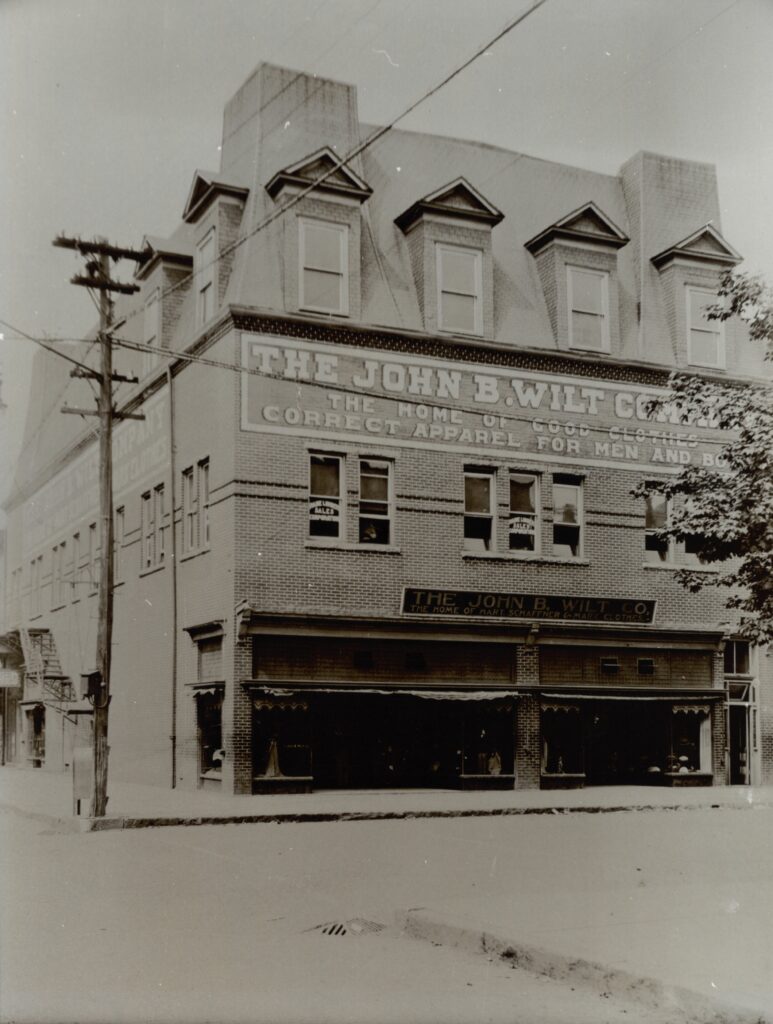
“The Wilt Building, formerly the Elkins Opera House, was constructed in 1897 on the northwest corner of Third Street and Davis Avenue at a cost of $11,000. The structure was erected to replace Fout’s Opera House which, until succumbing to the flames of the great fire of 1897, had stood on the corner of Fourth Street and Davis Avenue. The 800-seat opera house was located on the second floor of the building and hosted numerous theatrical productions, political rallies and prominent guest speakers. One such speaker was the fiery temperance leader, Carrie A. Nation, who addressed a large Elkins gathering here in 1907. In 1919, John B. Wilt opened his clothing company on the first floor of the building and later purchased the property. In 1924 and 1940, the upper floors of the Wilt Building were converted to accommodate office space and apartments. Seen above circa 1925, the Wilt Building was home to several offices including the Raine Lumber Sales Corporation.”

An Interview with Seth Young, Augusta Heritage Executive Director
When I was planning this article, I met with Seth Young, Executive Director, and Emily Miller, Creative Director, to talk about what the article should include and where it was headed. During this conversation, I provided them with a list of questions and, in a subsequent email, Seth provided very thoughtful answers. Below are my questions and Seth’s answers.
Alan Byer: What prompted Augusta’s move downtown?
Seth Young: Augusta’s move downtown was driven by a long-term vision to place traditional arts at the heart of community life in Elkins. Being downtown allows Augusta to be more visible, accessible, and integrated with local businesses, residents, and visitors. It also supports year-round programming, strengthens partnerships, and creates an arts campus that is active well beyond the summer weeks.
AB: Was the Wilt Building plumbing failure a major setback?
SY: The plumbing failure was one of those surprises you factor into the calculus of redeveloping an old building. A surprise, yes. A major setback, no. Once the issue was identified, we were able to address it systemically rather than piecemeal. In many ways, it was a blessing in disguise, as it became the catalyst for one of our Augusta Angels, Pamela Moe, to support the installation of a sprung dance floor in the dance hall. That new floor will help ensure this space becomes a major dance destination for years to come.
AB: What became of Augusta’s blacksmithing pavilion and equipment? Looms and other weaving equipment?
SY: The blacksmithing pavilion was removed to make way for a new dorm on the D&E campus. Augusta retained some of the equipment from that pavilion and is currently seeking a permanent home where metalworking can be reestablished.
With regard to weaving and fiber arts, part of Augusta’s loom collection was donated to a fiber arts education program that was in need of it. At the same time, we intentionally retained enough top-quality looms to support future weaving and textiles classes.
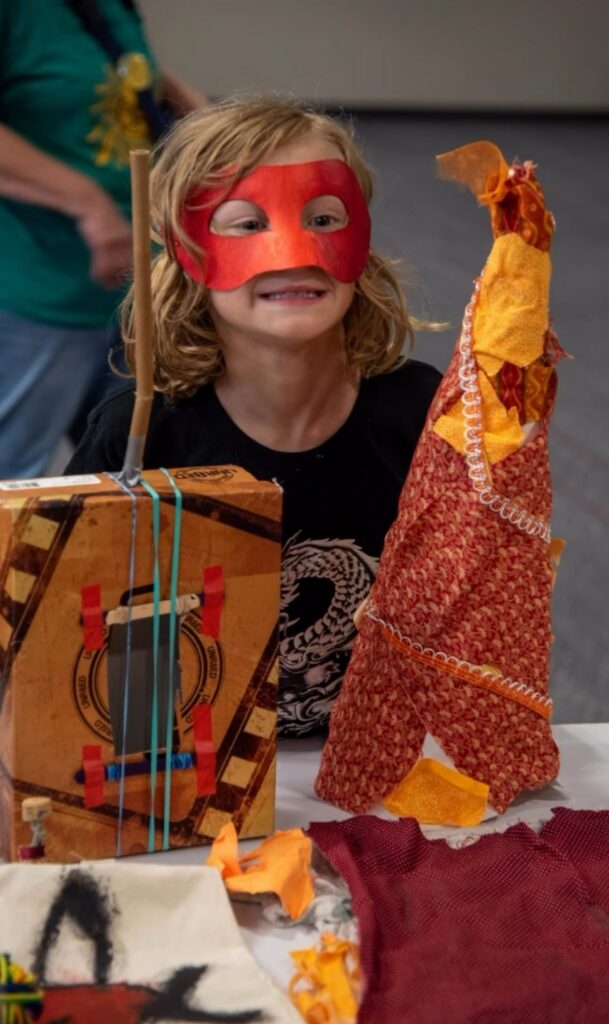
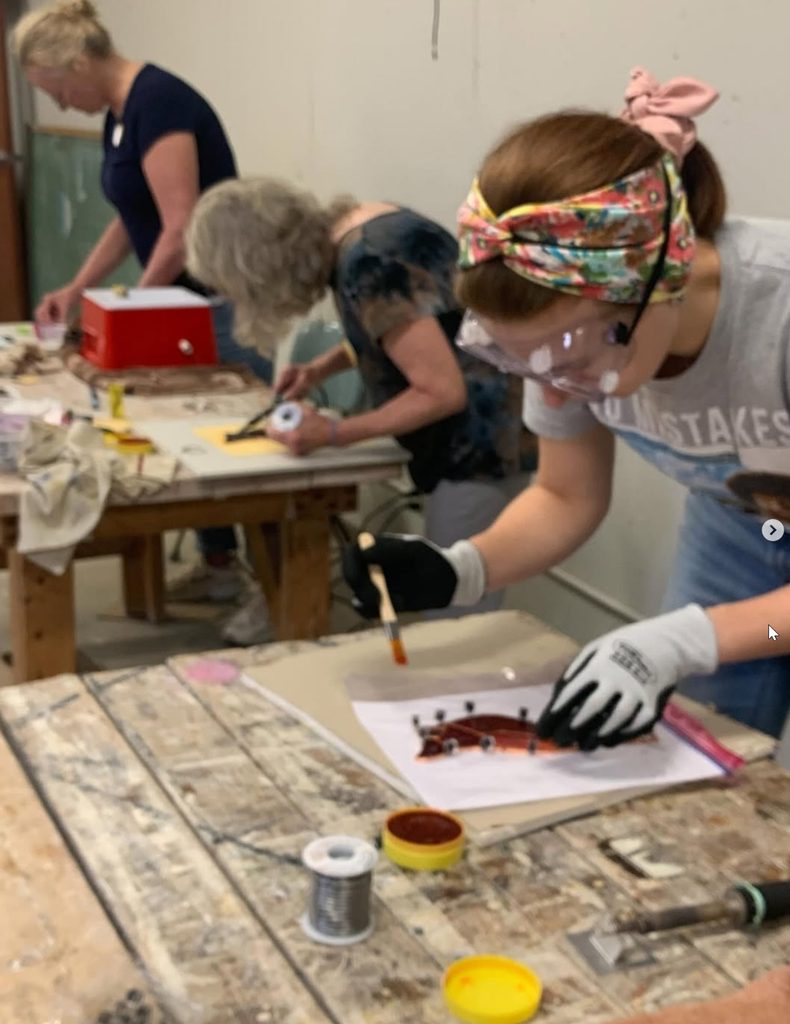
AB: Going forward, does Augusta plan to offer more craft options?
SY: Yes. Augusta is now offering robust craft classes during the summer and is also expanding into a year-round model for select offerings. This shift allows us to deepen instruction while also partnering with organizations such as the Elkins Sewing Center and the Arts Center to host and expand classes. Together, these partnerships help us offer high-quality craft education while making the best use of shared expertise and resources.
AB: Can you comment on Augusta’s relationship with D&E going forward?
SY: We have deep respect for the longstanding relationship between Augusta and Davis & Elkins College. For more than five decades, we worked together to build a cutting-edge traditional arts program that has inspired organizations and institutions around the world. For Augusta to grow in the direction it needed to grow, transitioning into a separate nonprofit was an important and necessary step.
That said, our relationship remains strong. We continue to collaborate in meaningful ways, particularly around educational opportunities for D&E students and events that bring residents and students together through the arts.
AB: What other venues might you use for Summer Augusta 2026? Is the new Conference Center an option?
SY: For Summer Augusta 2026, we anticipate using a mix of downtown venues, including the Old Brick Playhouse, the Arts Center, the Tygart Hotel, the Elkins Methodist Church, the Holiday Inn, and, most importantly, the newly redeveloped Augusta Heritage Center.
At this time, the Events Center is prioritizing Branson-style theater shows, so it is not currently part of our plans.
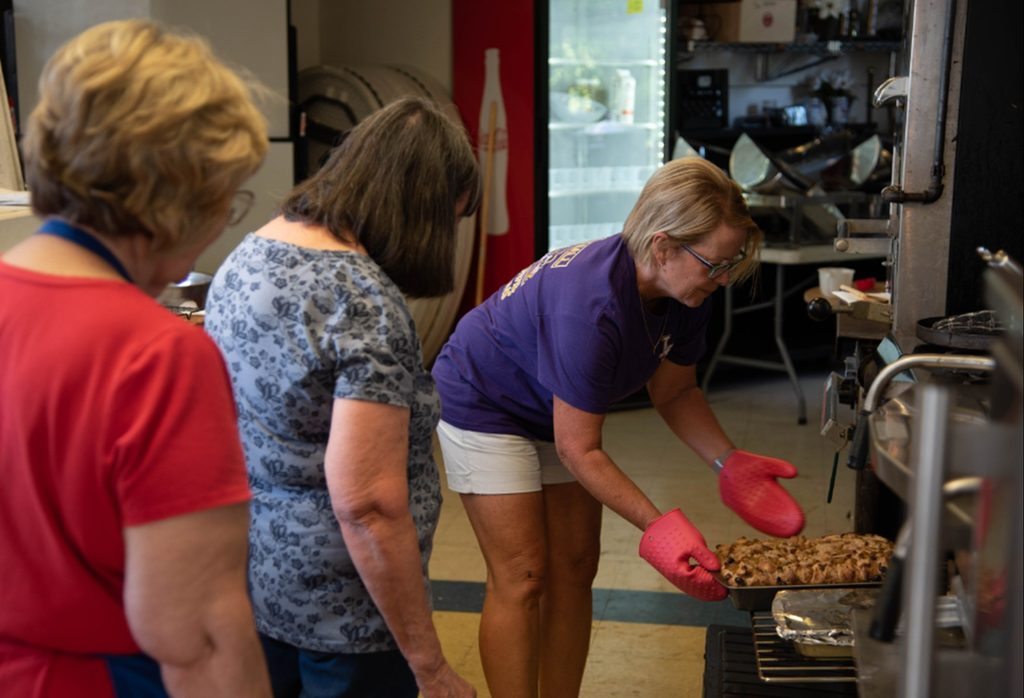
AB: For 2026 Summer Augusta, will you offer class-and-meals options? If so, who will provide the meals? Will Augusta eventually offer room-and-board options along with the classes?
SY: Yes. For Summer Augusta 2026, lunches and dinners will be provided in a family-style setting by the team at The Baker’s Daughter, the vendors operating the café in the Augusta Heritage Center.
Classes will take place in the five classrooms on the second floor of the Augusta Heritage Center, as well as with our community partners. Each day, everyone will come together in the dance hall for shared meals, and in the evening, the space will transform into a hub for dancing and jamming. This model allows us to expand the sense of community that has always been at the heart of Summer Augusta.
At this time, we’re providing easy access to a myriad of different options for housing so that the participant has the flexibility to shape their own experience. Want to camp in a state park less than five miles away from the classes and events? Stay at a newly redeveloped boutique hotel? Go in with friends on a multi-bedroom Airbnb? Stay at a hostel? All of these options are now possible. Participants can choose the accommodations that best suit their needs while coming together for experiential learning, family-style meals, and dynamic traditional arts events.
AB: Does Augusta plan to expand community-outreach efforts now that you’re more physically integrated with downtown Elkins? If so, what might those efforts look like?
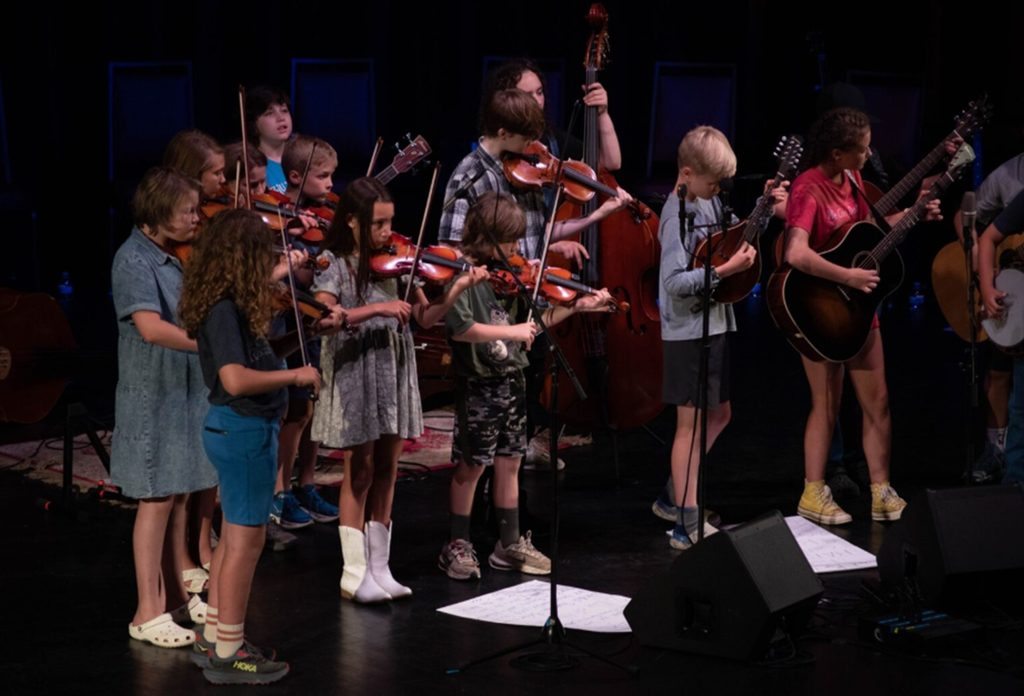
SY: It’s already happening. Augusta has expanded community outreach through our children’s strings and choir programs, a community choir, foodways classes, and an ongoing concert series. These efforts reflect our commitment to making traditional arts accessible and active in daily community life.
As the venue is fully finished, we’ll be able to host these programs, and many more, in a space purpose-built for the traditional arts, deepening our connection to downtown Elkins and the broader community.

For more information about Augusta’s plans and programs, please visit their web site.


ALAN BYER
Byer, Alan. "Change Comes to Augusta Heritage Center." Goldenseal West Virginia Traditional Life, Spring 2026. https://goldenseal.wvculture.org/change-comes-to-augusta-heritage-center/