By Nancy S. Hoffman
In West Virginia, you typically sow buckwheat from late spring (May/June) through mid-summer (July/early August) aiming to plant it after the last frost, but early enough for it to flower and set seed before the fall frost, usually needing 8-10 weeks of frost-free weather, with late summer sowing often ideal for pollinator support before early frosts…and, most importantly, to be able to harvest and clean the buckwheat kernels to be ground into flour to make buckwheat cakes and/or to use the kernels to compete in the Annual Preston County Buckwheat Festival which always happens during the last full week in September. The early sowing of the buckwheat is often met with the intense heat of late June and July. It was during this period of time that my story took place.
It is good to note here that we lived on what is termed today as a most humble “sesquicentennial” farm, meaning as of today the farm has been in our family for 176 years. We are quite pleased with this heritage and have greatly enjoyed our “farm life”.
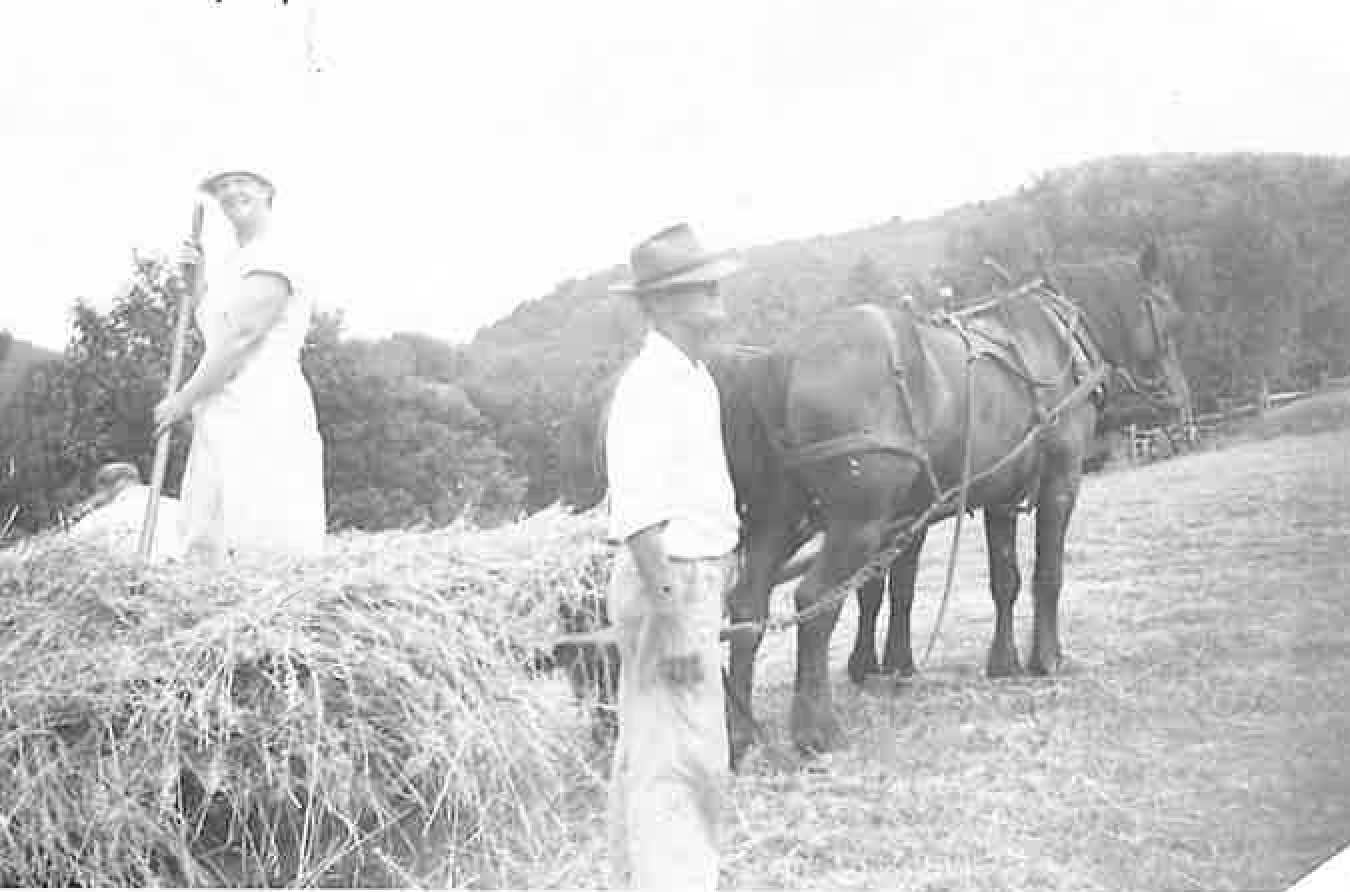
The story continues….Daddy, Mamma, my brother, and I were in the fields working. Mamma, Harry, and I were hoeing corn on a sultry, warm day. Mind you, that corn field was not one-fourth or one-half acres…it was usually three acres or more! We needed to go through with hoeing corn about every two weeks to keep the weeds down. Mamma was wearing shoes; however, Harry and I were barefoot, thinking the coolness of the soil would help keep our feet somewhat cooler. Daddy, Bob, Joe, and Oliver were in a nearby field preparing the ground for buckwheat planting. Bob and Joe were the names of our team of horses. Oliver was the name of our plow.
In those days, weed-killer was unheard of—at least, our Daddy did not seem to know about it. The three of us, Mamma, Harry, and I, each had a hoe in our hands. First, we had to bend over, pull out any weeds, and then use the hoe to bring the dirt around the corn stalks, on the right, and then on the left, and then pull any weeds between each stalk. We knew not to leave any weeds as Daddy might just inspect our work for a correct agricultural activity. Hoeing corn is rather strenuous work that calls for a few rest periods. As the three of us took a break, we gazed off to the left to see how Daddy was getting along with his work of plowing the ground in preparation for sowing buckwheat.
Daddy’s team of horses were fittingly named Bob and Joe. Bob may have been smarter than Joe. For sure, I can still feel Bob’s breath on my bare feet as I, most generally, had the “farm lady” chore of riding Bob to guide him on horseback through the corn field. Daddy always told me, “No, Bob is not trying to nibble at your toes; he is just trying to get some fresh corn stalks!” Well, guess what….with my complaints of Bob’s breath so many times on my feet, Daddy finally fitted Bob with a wire mesh muzzle. Joe, on the other hand, seemed to be a little on the “wild side”, more plump and stouter than Bob, and he was somewhat prone to decide what he wanted Bob and him to do next.
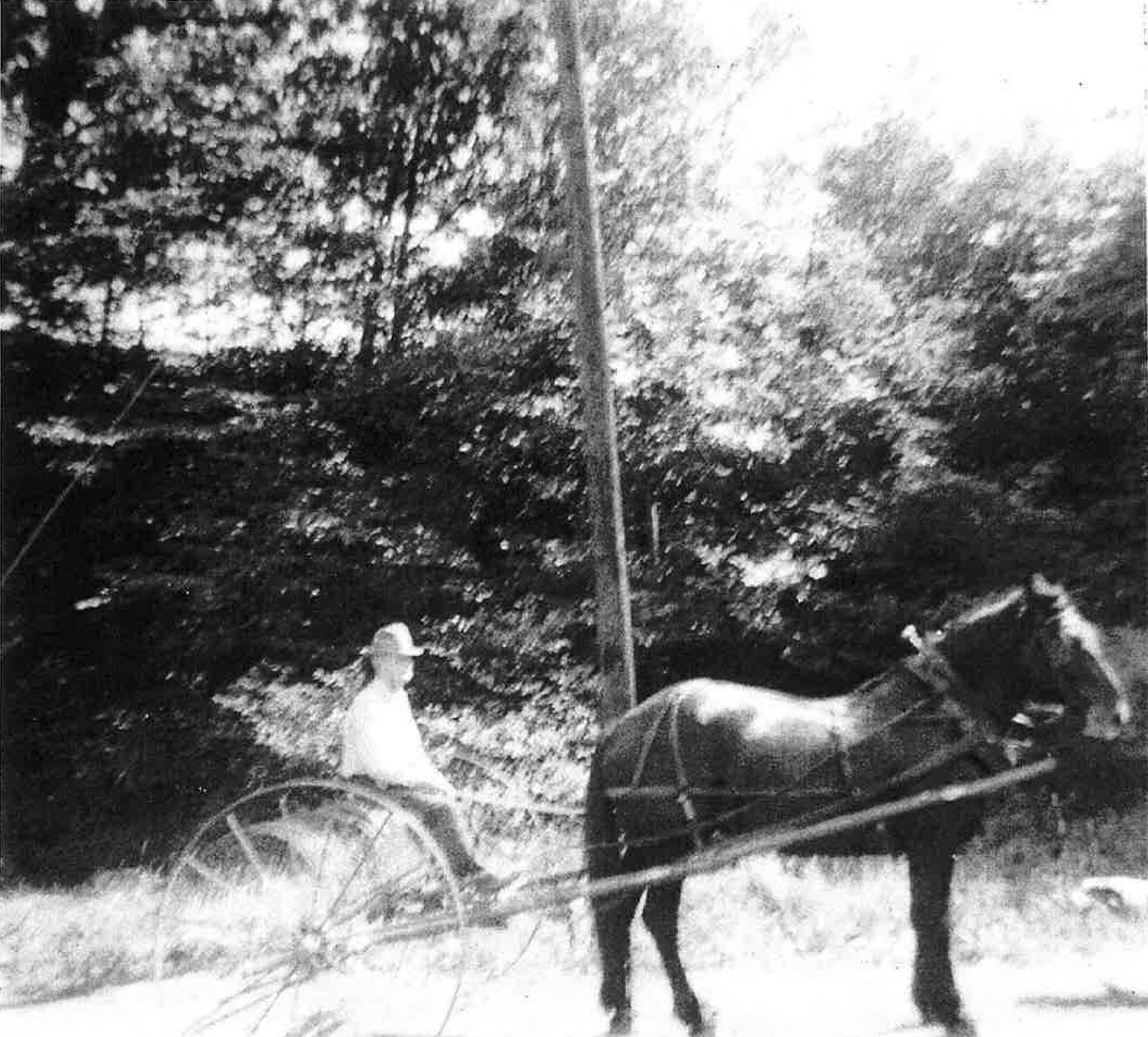
So it was… while the three of us stood there in one field transfixed by what was happening in the next field, we noticed Daddy had called, “Whoa, whoa!” a couple of times, and the horses came to a stop. At the same time, Daddy looked down to check on Oliver. Oliver was Daddy’s trusty horse drawn plow, fashioned in a robust, cast-iron tool with a shiny, chilled moldboard that would cut and turn the soil, featuring a sturdy wooden frame, a large front wheel for depth control, and two wooden handles designed for durable field work. Seems Oliver had dug up a huge, heavy rock that prevented the plow point from making straight furrows. Daddy must have stood there for five minutes, sizing up the situation, when suddenly he took the horse lines from around his waist and twisted the lines around one of the plow handles. Today, we are so very thankful Daddy had the presence of mind to do this. Next, we heard Daddy speaking to Bob and Joe in a kind, smooth voice, “Now you boys rest while I get this big rock dislodged from Oliver.” We saw Daddy go to the side of the plow, bend to dislodge the rock, and at the same time Joe surely said to Bob, “Let’s go!”—and go they did!. They took off at lightning speed and soon were out of sight. Dust actually rolled up from their hooves pounding the soil. We noticed Daddy standing with disbelief on his face!
Mamma carried the water jug over to Daddy to console him. We always took an insulated jug of water to the field with us. We usually went to the field by 10 am as the dew would be drying up by that time. That gave us dry soil to work with. It did not take us very long to assess the situation and so my brother and I threw down our hoes and, barefoot, of course, ran after the horses. I can still feel the sting of the rocks on my bare feet. We ran after Bob and Joe, keeping with the chase across the field, down over a steep embankment, yelling and splashing through the creek and on towards the barn. As we came near to the feed house, we saw the plow embedded in the roots of a large oak tree. The distance between the oak tree and the feed house was less than 10 feet. It seemed somewhat surprising that the horses wanted to go through such a narrow space! We noticed the plow point was caught in a root, and the double tree was still attached with some harness pieces dangling.
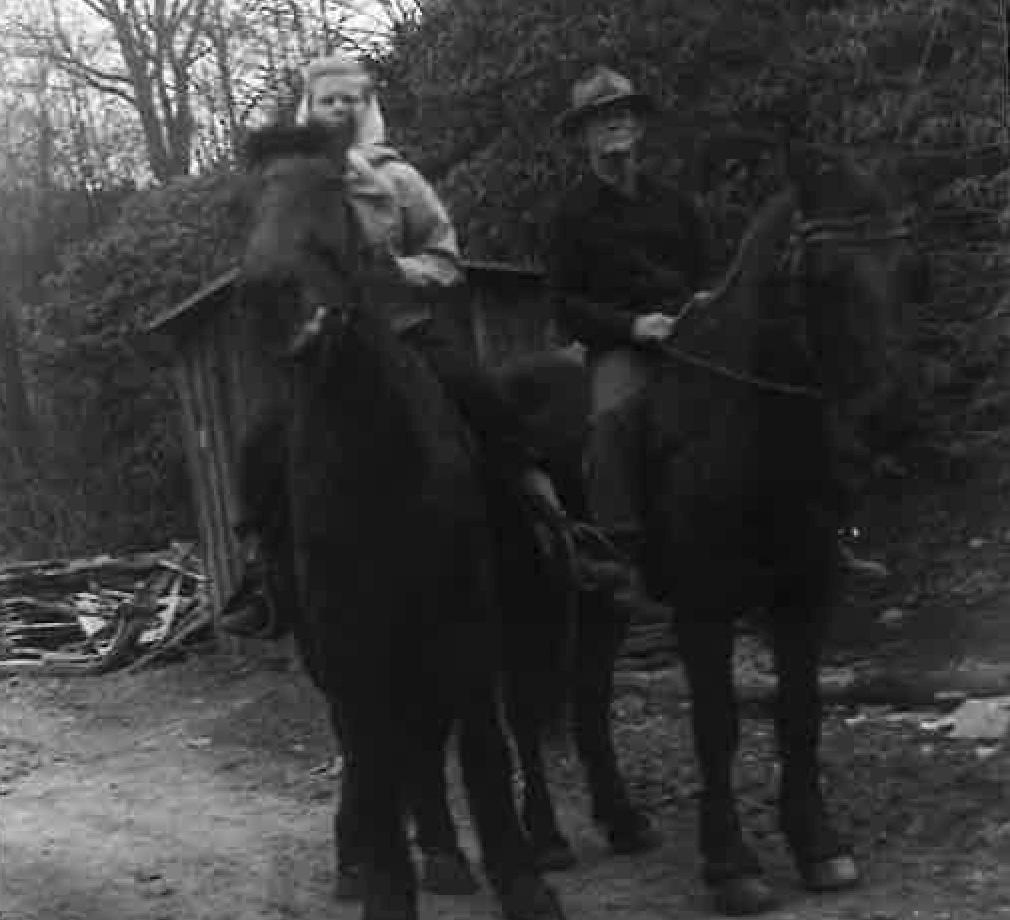
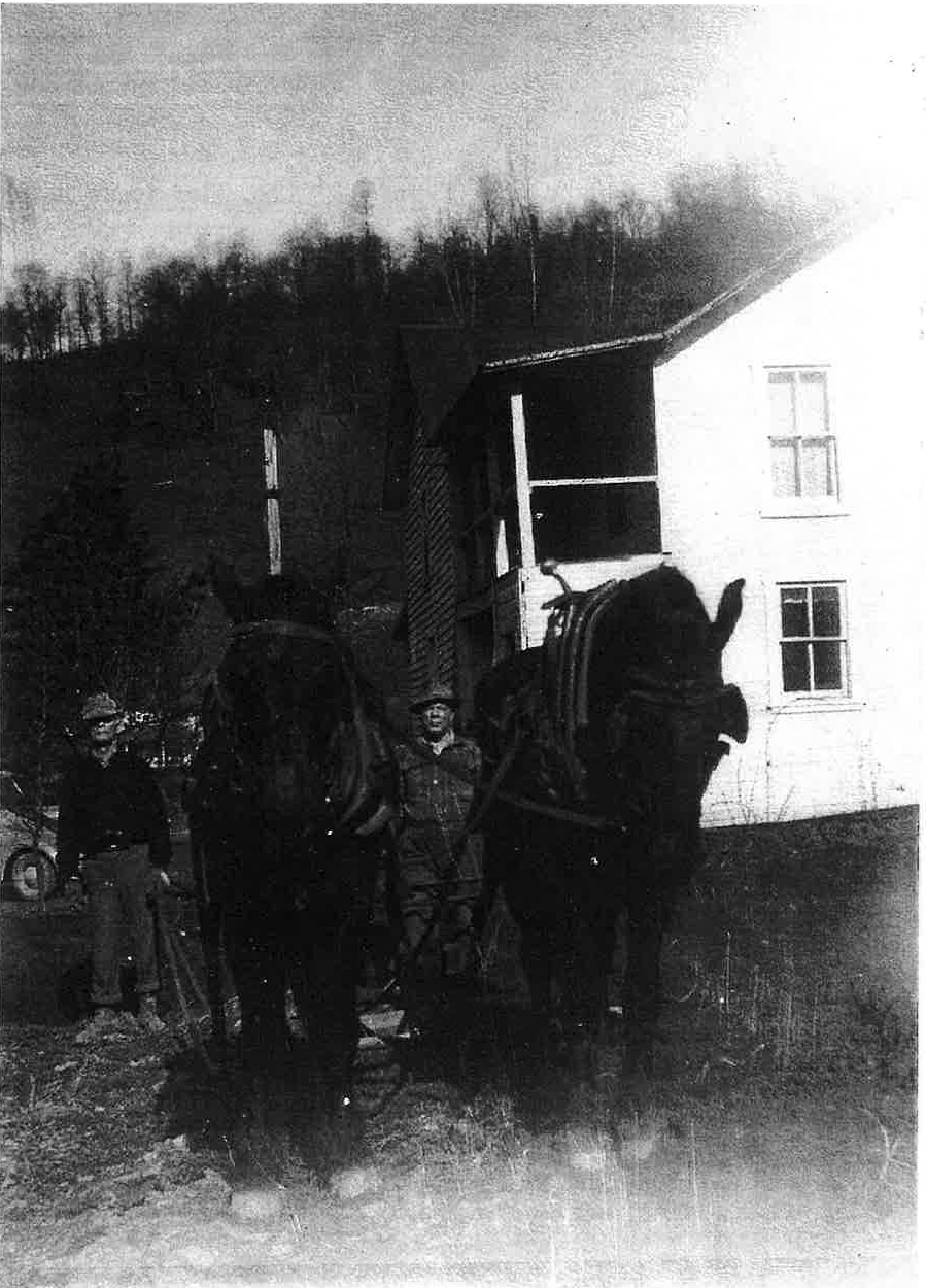
I am sure Joe must have said to Bob, “Buck up, my friend, the only shortcut to the barn is through here between the feed house and that sturdy oak tree.” It really was a hilarious sight to see Oliver stuck on the root of the oak tree. The plow did not reveal any serious damage.
This event took place in the mid-1950s, and we felt like we were in a wild west movie. We only got to go to a movie on Saturday night…if the taxi and driver that we reserved came to get us. Having lived through the 30’s, we did not have a car and therefore had to depend on a taxi if we did not walk to town. We could go to a movie back then for less than fifty cents, and then we would have enough money for two pints of ice cream. The taxi office attendant would give us four wooden spoons, cut two pints of ice cream into two, and there we had a treat before our journey back home!
To continue with our horse chase, we eased ourselves on up over the little rise and stood right outside the horse stable. We remained really quiet and peeked inside. Sure enough, both of those horses stood in one stall! We were certain they were laughing! They did look out of place standing close together with their bridles and full harness still hanging on their backs…except the traces were really ripped up. Have you heard of people/animals breaking their traces?
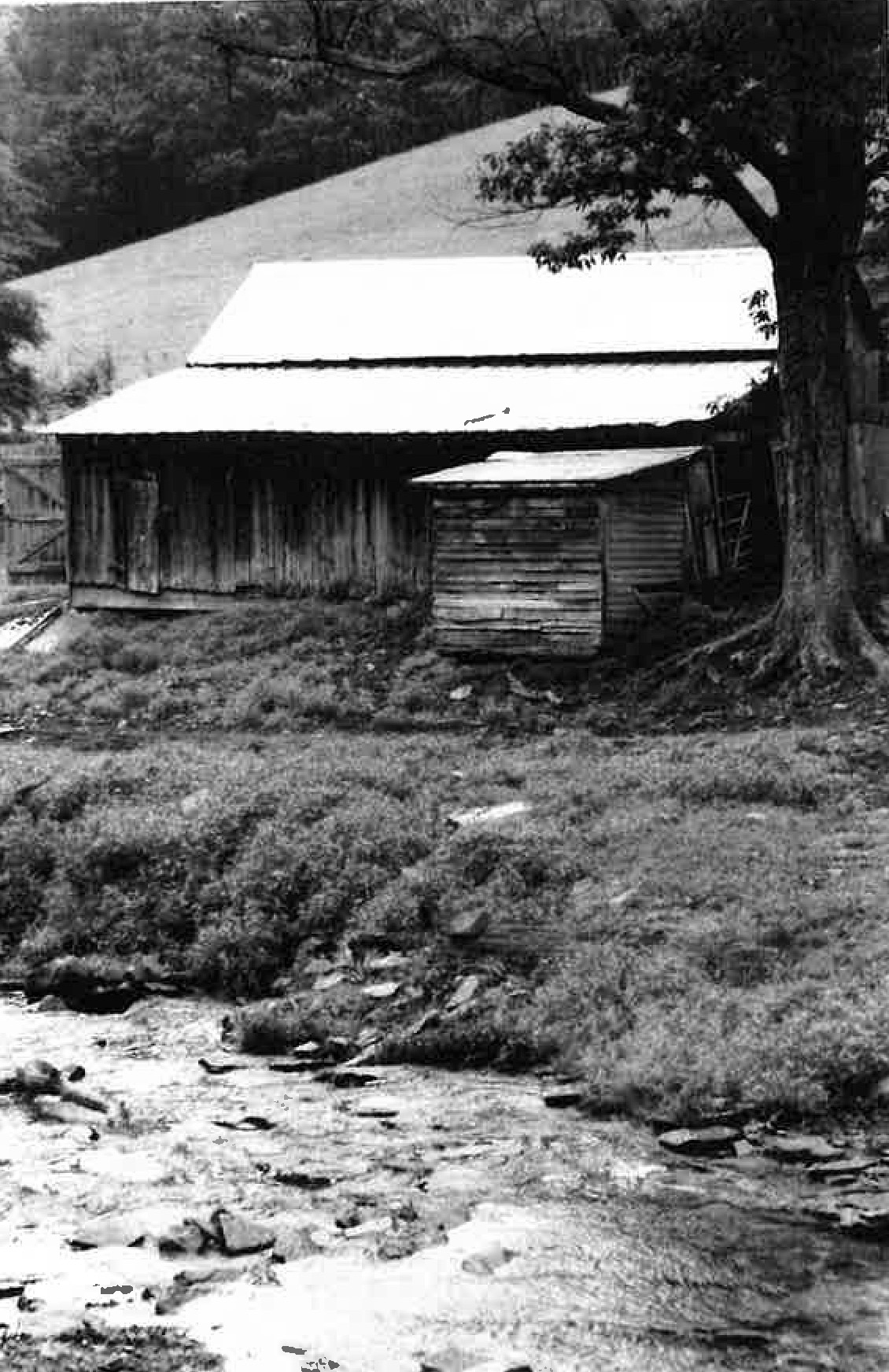
“I can still feel the sting of the rocks on my bare feet. We ran after Bob and Joe, keeping with the chase across the field, down over a steep embankment, yelling and splashing through the creek and on towards the barn. As we came near to the feed house, we saw the plow embedded in the roots of a large oak tree.”
We watched as Daddy walked slowly to the barn door and spoke softly and gentle-like to the horses. He said, “Well, boys, guess you wanted to come to the barn for some shade, huh?” That was all he said to the team and then he proceeded to perform the unharnessing, fed them some oats, and called it a day! The horses were not hurt. Daddy was not hurt. We were just thankful that he had taken the horse lines from around his waist and had attached them to the plow handle. He sure was adept at repairing leather harnesses. Oliver was not damaged. After all, Daddy, Mamma, Harry, and I, and those horses were like a “team” in a real business. We worked together and accomplished much!
Why and whatever it was that day that made Joe feel like frolicking, we do not know. We did not know the horses’ former owners, as Daddy purchased the horses through our local stockyard market. We were kind to our animals and so we lived at peace with them.
It was heartwarming to hear Daddy speak so kindly to all of our animals. In all of the years we worked together on the farm, Daddy was very kind in speaking. Mamma’s sister was heard, often, to say, “Harry, Kathleen, and those kids just live with their animals.” Well, we did take considerable care of those animals as they were our livelihood! In those days, we did not have a tractor. The farm work was all performed by our workhorses. We used the horses to make hay; cut the hay with a steel wheeled mowing machine with a long cutter bar; raked hay with a “buck” rake…Oh my! Did Daddy ever want us to keep straight wind rows! In the wintertime, we went to town by horse and sled…Mamma would warm the “sad irons” in the coal stove, and Daddy would spread hay out in the sled for us to sit on while Mamma would cover us with warm blankets. We always took the lantern so Daddy could carry the lantern in one hand, and in the other, he would have his hand on the bridle reins to lead the horses.
Bob and Joe spent many, many years with us. We still think Daddy, Bob, Joe, Oliver and Mamma, of course, had great work ethics, and we did know that the rest of us practiced what we were taught. Daddy, Mamma, Bob, and Joe have long been gone, but the memories are very clear. The bridles and harness have been oiled. Oliver has been greatly cared for, having been painted and polished, and permanently occupies a special designation in a family display room.

Nancy S. Hoffman
is a third generation pioneer and lifelong resident of Preston County, retired health administration management administrator, and a graduate of West Virginia University, with a Bachelors in General Studies. Nancy is a longtime contributor to GOLDENSEAL.
Hoffman, Nancy S. “Daddy, Bob, Joe, and Oliver.” Goldenseal West Virginia Traditional Life, Summer 2026. https://goldenseal.wvculture.org/daddy-bob-joe-and-oliver/