By Frances Peters Fitzwater
Living close to a state college offers many opportunities that might not be financially possible otherwise. My family has lived close to Glenville for the 142 years that there has been a college here. Six generations, from my great-grandfather to my grandchildren, have taken advantage of the many activities and resources available. My parents, Teddy and Flo Peters, began their family of girls during the depression; knowing about hard times, they wanted the girls to have an education and be able to take care of themselves.
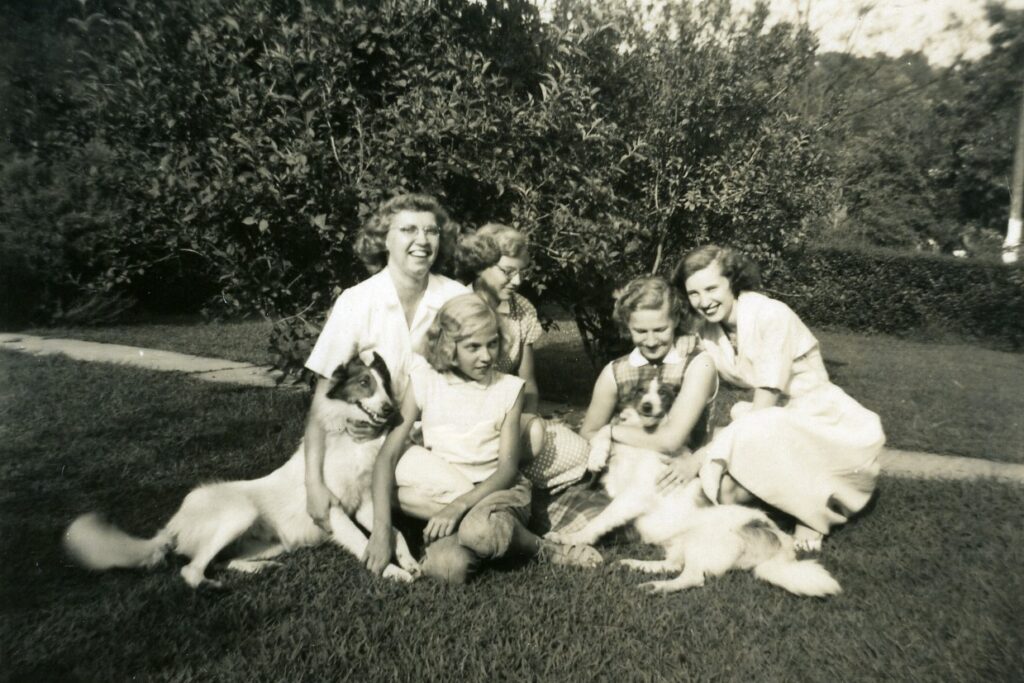
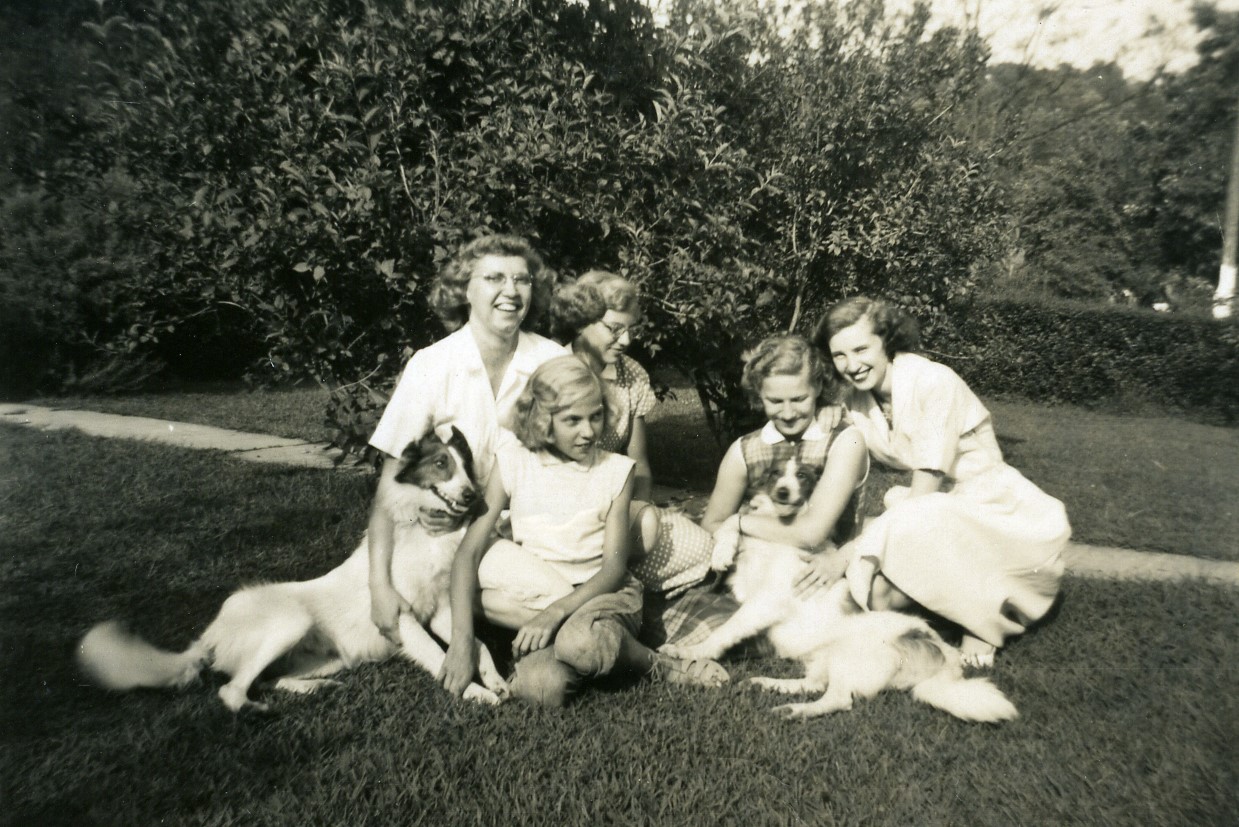
The oldest, Janet, graduated from Sand Fork High School in 1949 and from college in 1952 with a teaching degree. She retired from Parkersburg South with 30 years service. The next two, Maxine and Barbara, went to Charleston immediately following graduation in 1950. Maxine trained at McMillon Hospital in ex-ray, became head of the Nuclear Medicine Dept. at Charleston General, and finally graduated from WV State, later teaching night classes while working full-time. Barbara trained at McMillon and became a nurse. I, the youngest, graduated from Sand Fork High School in 1960 and from college in 1963 with a teaching degree (I completed an M.A. from WVU plus 45 hrs. later.) I retired from Gilmer County High School with 36 years service. The only scholarship available then was a $50 savings bond from Kanawha Union Bank for the valedictorian of the class which both Janet and I received.
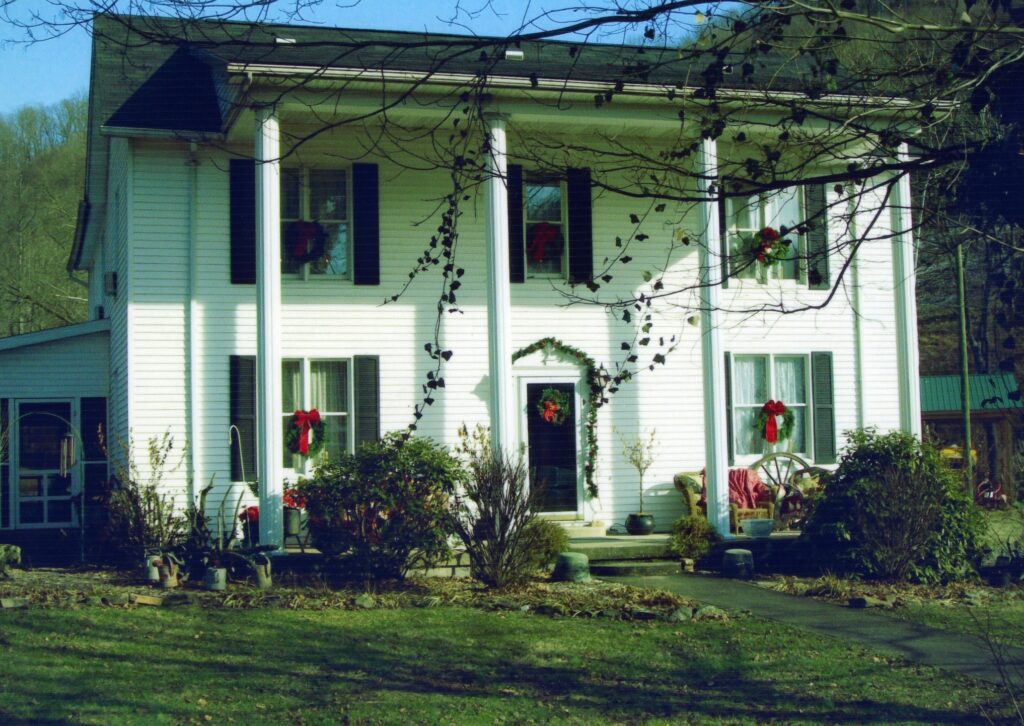
“My great-great-grandfather, Thomas R. Floyd, bought property along the Little Kanawha River about two miles east of Glenville in 1842 and moved his family there from Marion County. I grew up beside the Floyd home place, married and raised my family close by, and was able to purchase the home place in 1992.”
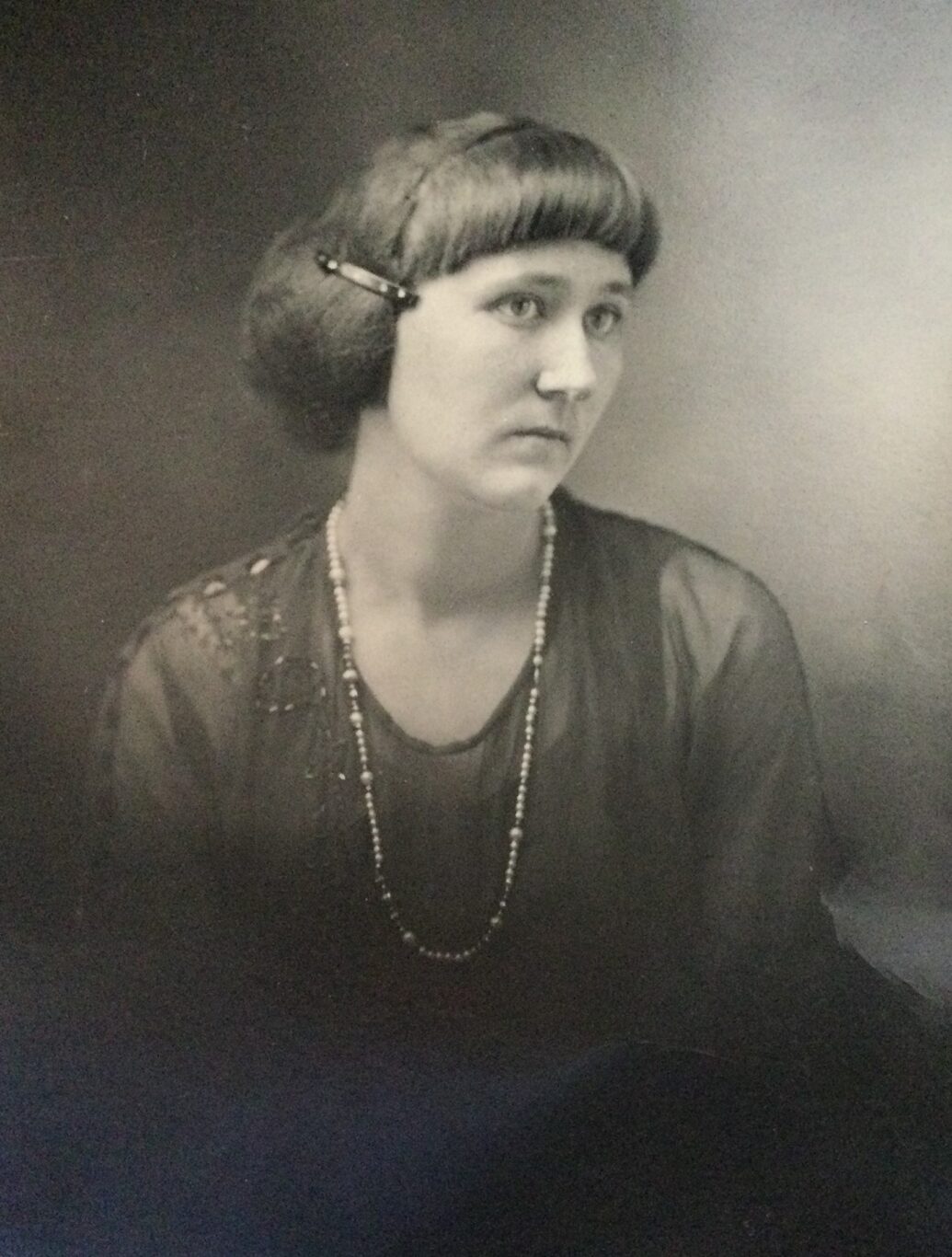
The first school Thomas Floyd’s children attended was in the Otterbein Church; later one-room schools were established around Gilmer County. There was no high school until the 1920s. In 1872 the Glenville Branch of the WV Normal School was opened; and Thomas Floyd’s sons attended. The name of the school changed to Glenville Normal School in 1900, with the primary purpose of training elementary teachers. Various grandchildren and great-grandchildren attended and became teachers. Thomas’s great granddaughter and my mother, Flo Moffett, graduated from there in 1928 and taught in a one-room school at Mud Lick. Then, in 1931, the normal school became Glenville State Teachers College, and four-year Bachelor of Arts degrees in education were authorized. In 1943, the name changed once more to Glenville State College. It was from Glenville State College that my oldest sister and I graduated and became teachers. Later, one of my sons graduated from GSC. In 2022, the name was officially changed to Glenville State University, in recognition of the institution’s focus on post-graduate education.
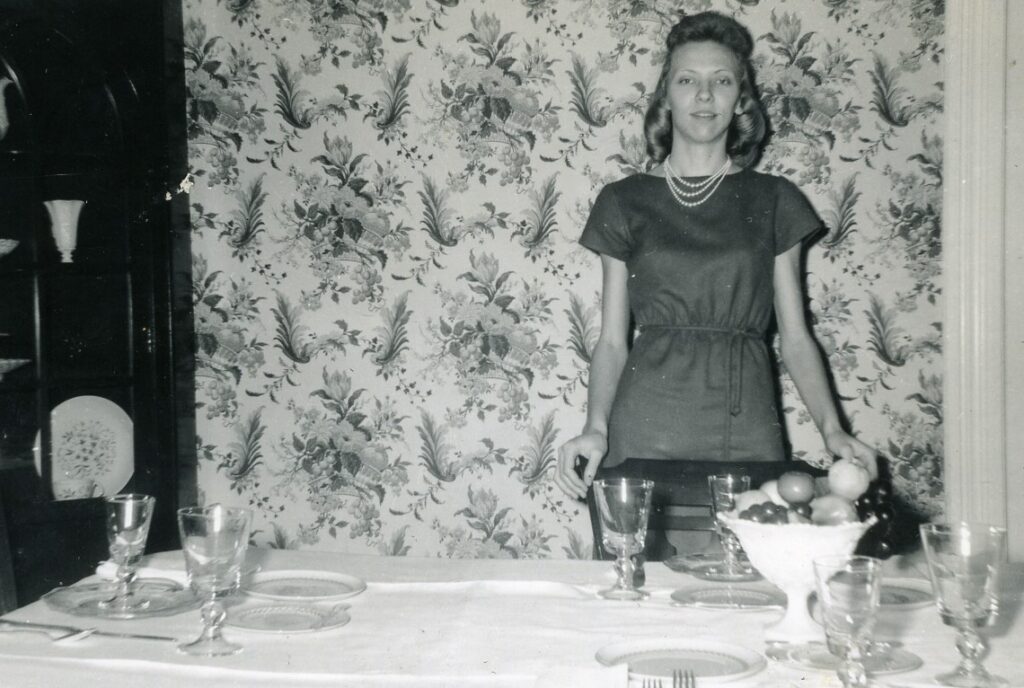
“My dad bought a second car during my last year, which I was allowed to drive. I had no car until I began teaching. There was no coming home between classes to take a nap or get a snack. I usually spent the time in the library.”
Living close to the college allowed a student to live at home and still get an education. Before the roads were paved, the children, grandchildren, and great-grandchildren of Thomas walked or rode a horse the two miles to college; some boarded during bad weather. By the time my sister, Thomas’s great-great-granddaughter, was in college in the late 40s the public school buses were also available to college students. When I attended in the early 60s, I was able to get a ride with other students or was dropped off by dad on his way to work and picked up in the evening.
My dad bought a second car during my last year, which I was allowed to drive. I had no car until I began teaching. There was no coming home between classes to take a nap or get a snack. I usually spent the time in the library. My sister and I also saved money by taking our lunch. My mother, sister, and I sewed and made our clothes. At that time, only dresses, skirts, and blouses were appropriate apparel. Used textbooks were available, which we would resell after completing the class. By taking extra hours each semester, I was able to complete my degree in less than three years which was another way to save money.
The college has offered many classes for non-college students. While in elementary school and high school, I was privileged to have piano lessons with a music instructor, Dr. Harry Ordendorf. My children and grandchildren have had swimming, gymnastics, and karate lessons. When in the band in high school, we were allowed to use the auditorium for practices and concerts. With five high schools in the county, the college was the location for county-wide competitions. My sons were able to attend college classes while still in high school thereby getting a good start toward a degree.
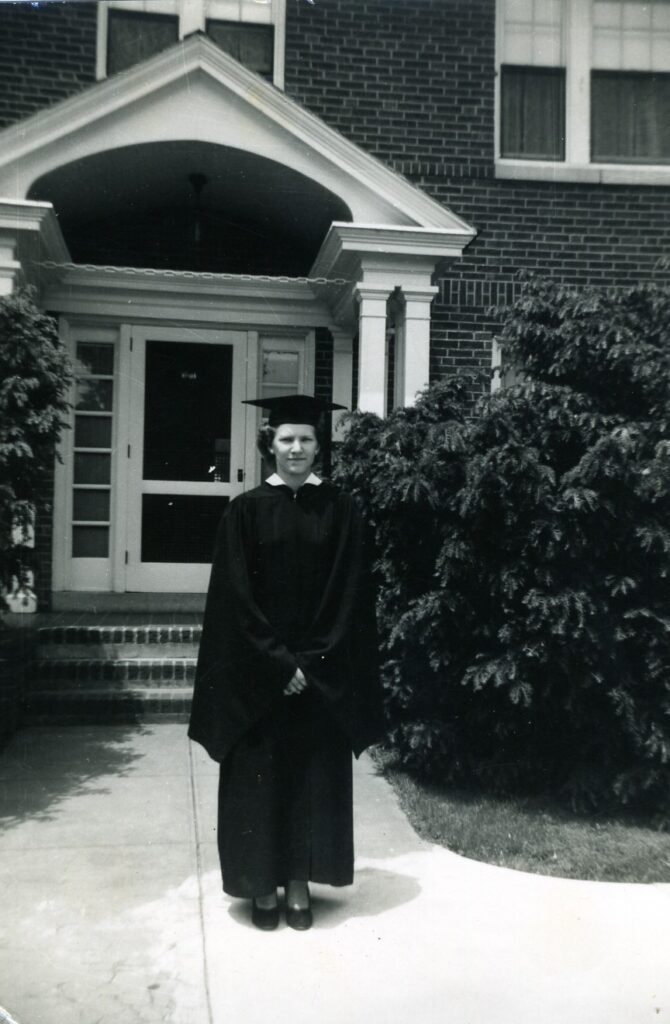
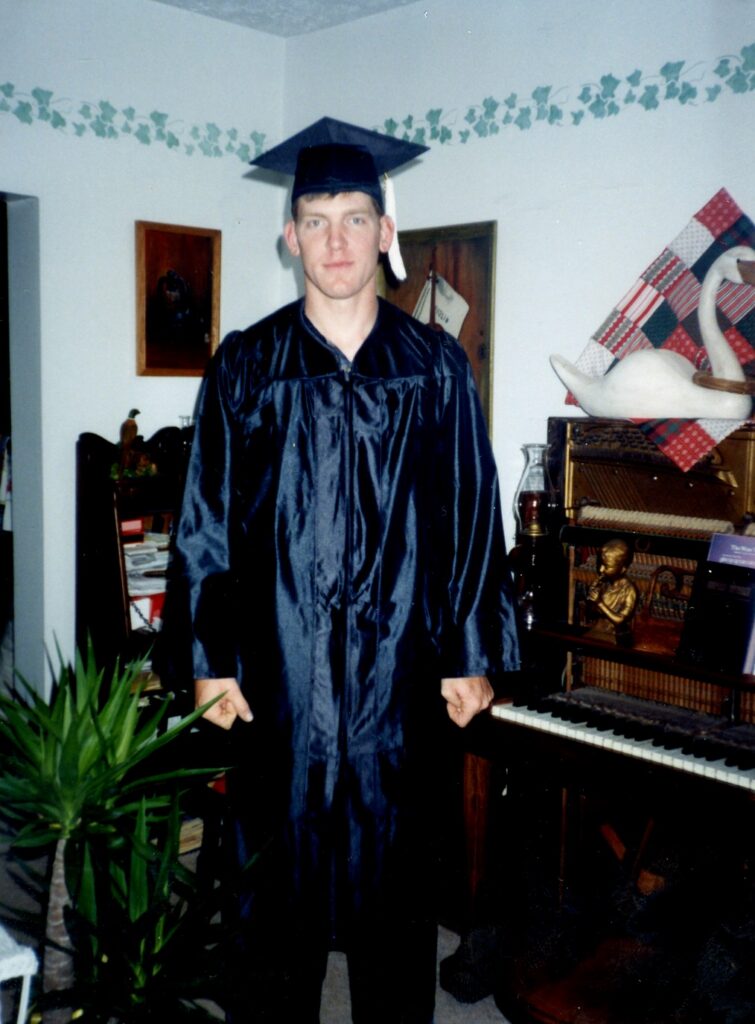
As a teacher, I often used the college library for the resources unavailable elsewhere. Local schools bring students for plays, concerts, and other cultural activities. There are various sports camps in the summer. College staff provide expertise in many areas. The WV Folk Festival was the brainchild of Dr. Patrick Gainer, a GSC professor, and the college has played a major role in the festival over the years. The community supports and attends ballgames, concerts, recitals, art shows, and plays. Glenville State College has been a part of my life and the lives of many other people in central West Virginia. We have been privileged to live close by.

FRANCES PETERS FITZWATER
Fitzwater, Frances Peters. “Five Generations of Glenville Alumni.” Goldenseal West Virginia Traditional Life, Spring 2026. https://goldenseal.wvculture.org/five-generations-of-glenville-alumni/