By Alesia Wayne
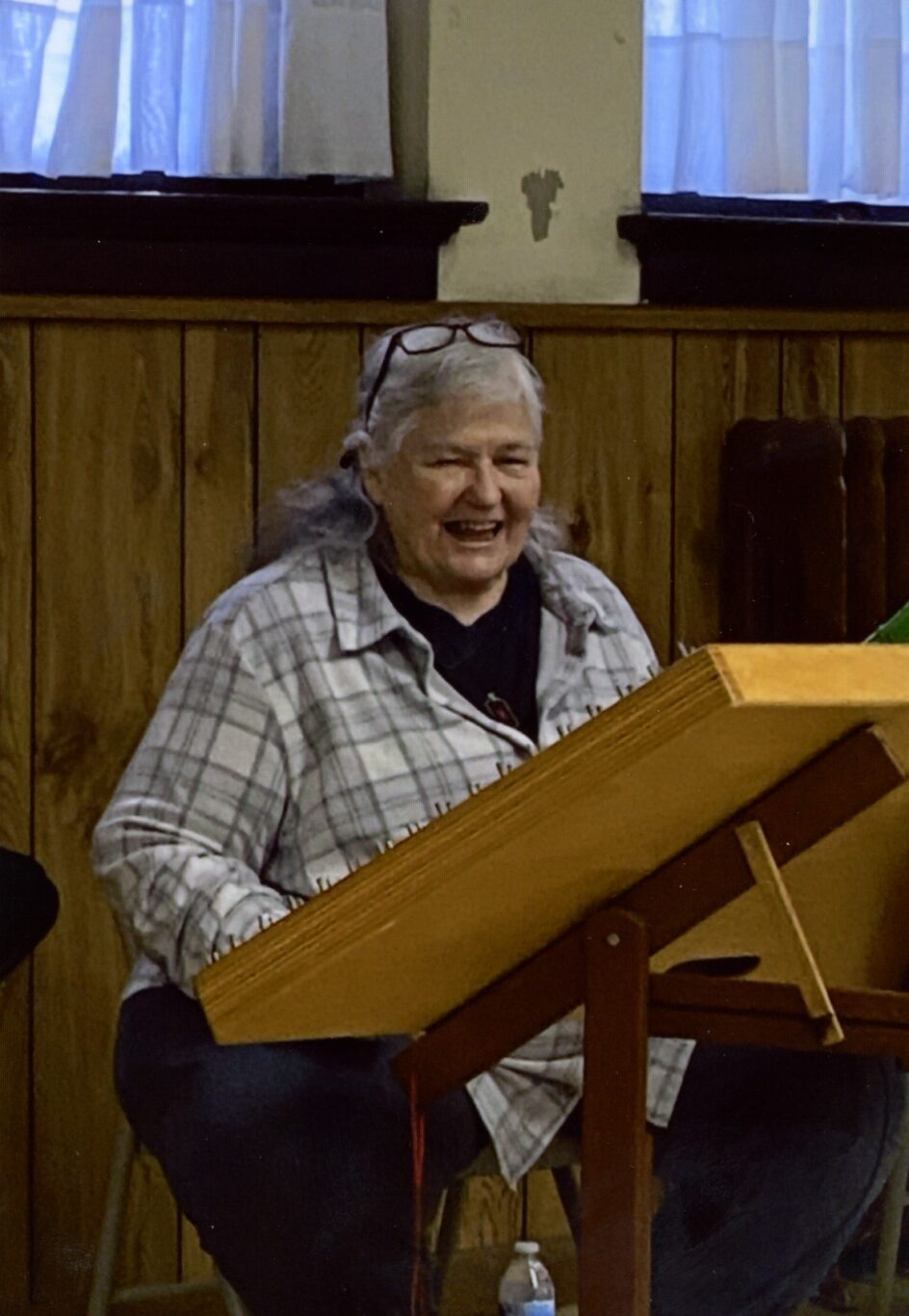
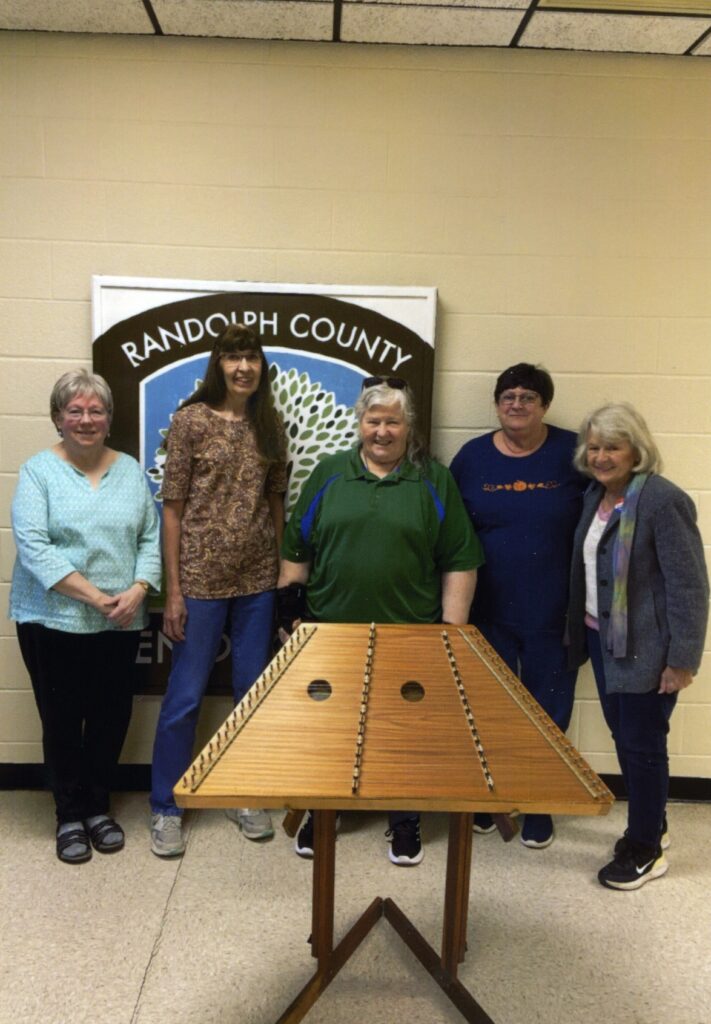
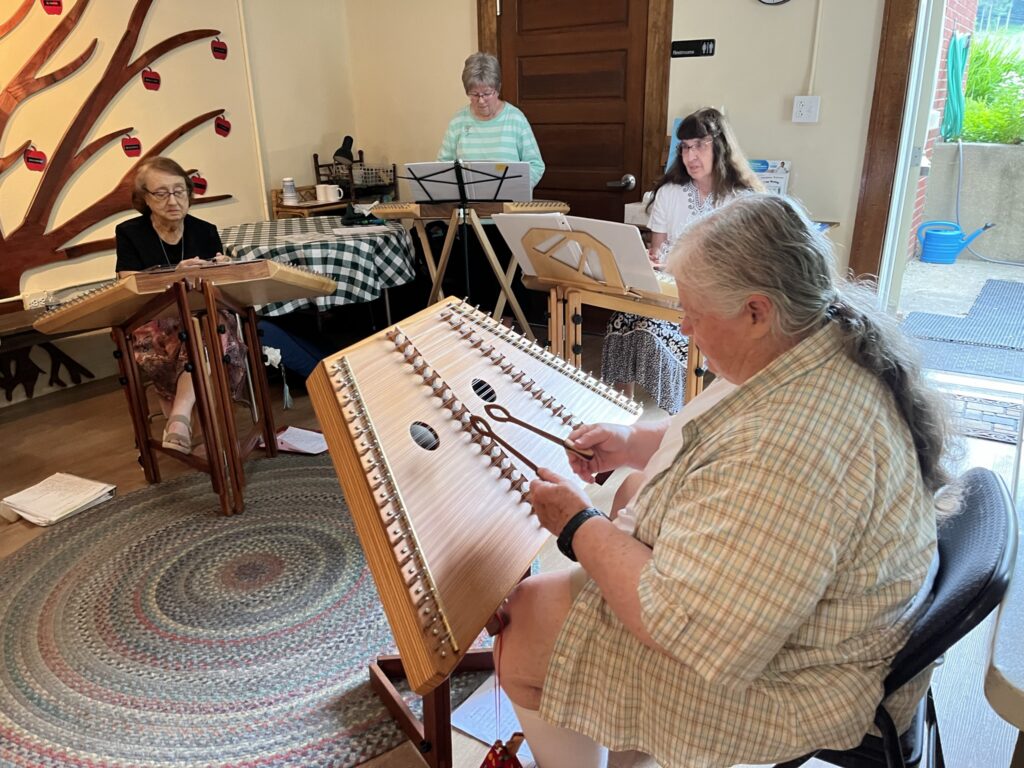
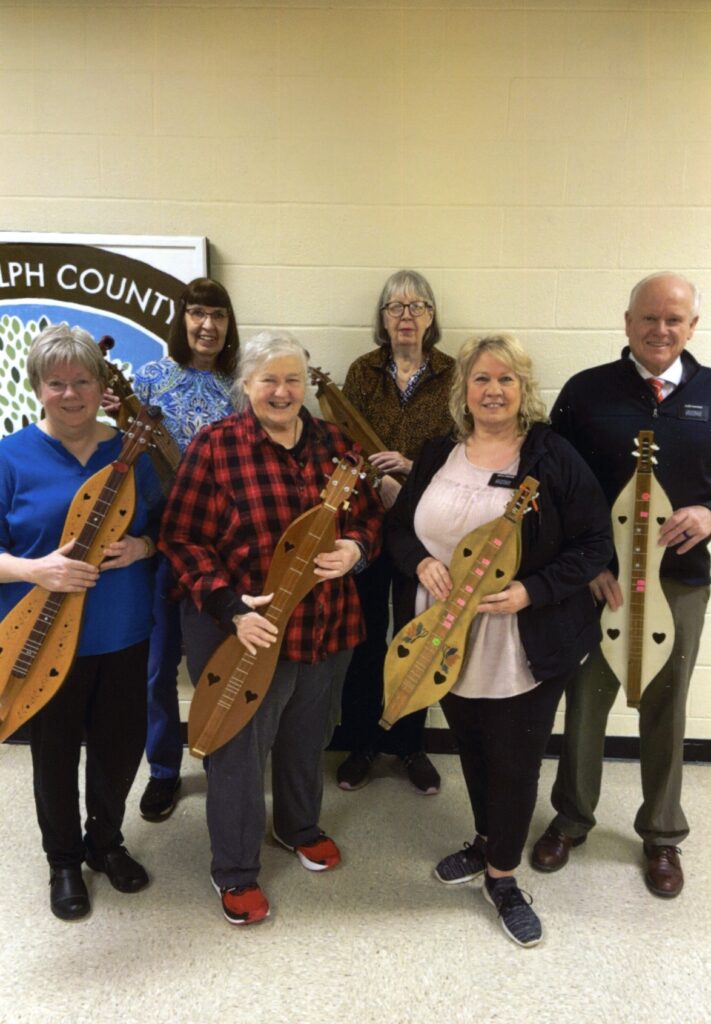
For the last eleven years, the Randolph County Senior Citizens building in Elkins, WV has been filled with the sweet sounds of mountain dulcimer music on Tuesday afternoons and hammered dulcimer music on Wednesday afternoons where Luanna Moore has been teaching folks how to play a wide variety of songs on both instruments. Her extensive repertoire includes, but is not limited to, old-time fiddle tunes, secular music, hymns, waltzes, country music, folk music, Carter family songs, patriotic tunes, ballads, Irish/Celtic music, Christmas melodies, childhood and 4-H camp songs, and tunes of West Virginia origin.
As a hammered dulcimer player, I was hoping to find someone to help me improve my playing. The Augusta Heritage Center in Elkins, Randolph County, directed me to Luanna in 2018. Under Luanna’s instruction my playing proficiency has improved, I’ve learned many new tunes, and the camaraderie of playing with other hammered dulcimer musicians has been beneficial to my musicianship, as well as great fun!
Luanna Moore is an accomplished mountain and hammered dulcimer musician but first and foremost, she is an extraordinary teacher preserving, performing, and teaching traditional music. Luanna’s kind spirit, willingness to share her extensive knowledge of different musical genres, and expertise in playing and teaching both dulcimers inspires her students and fellow musicians.
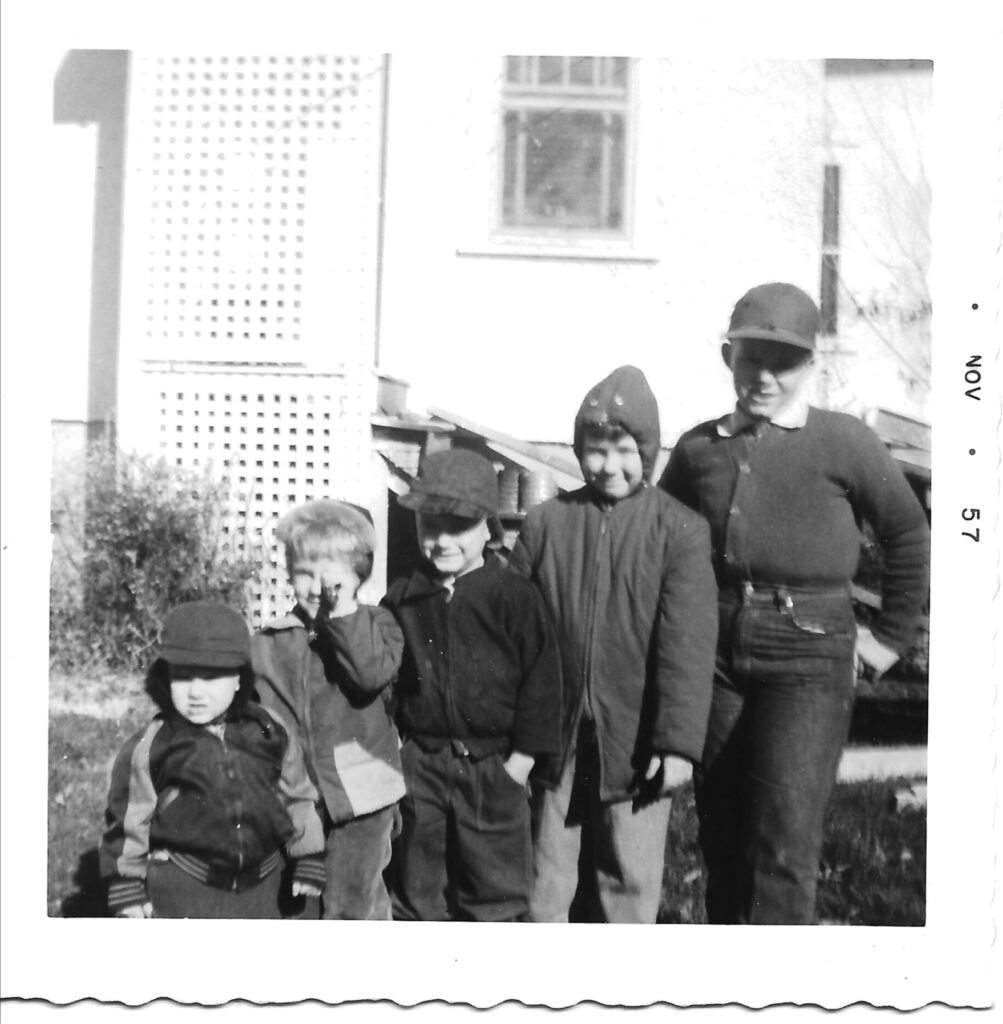
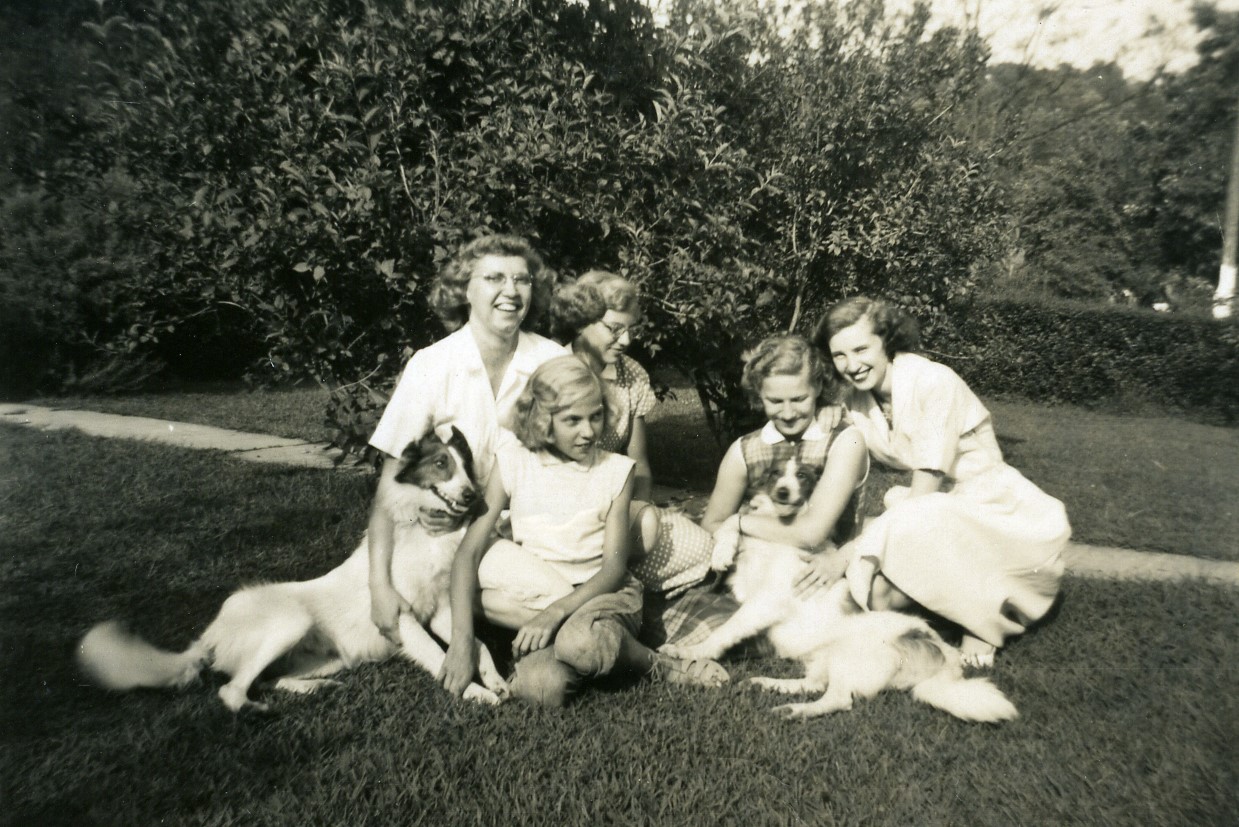
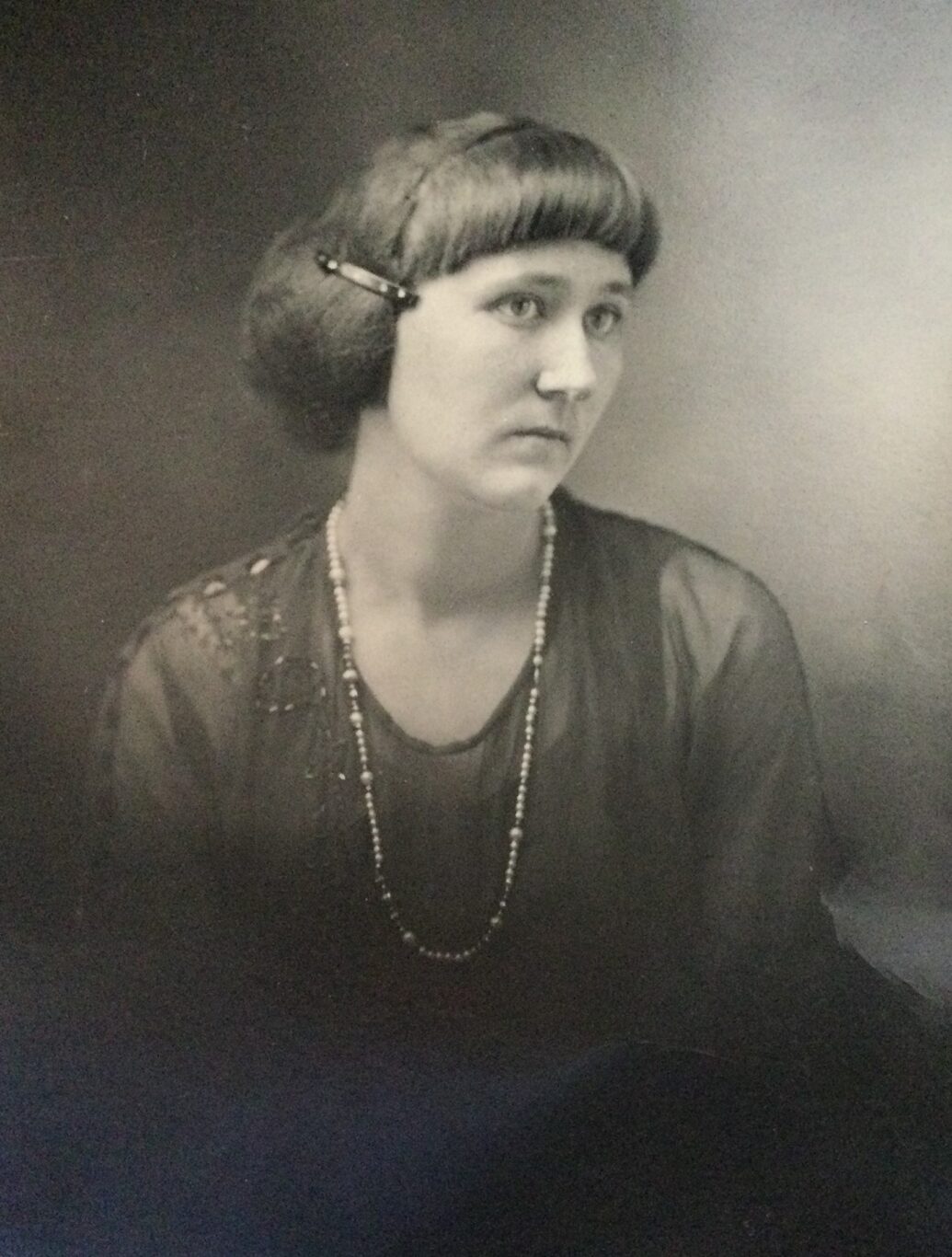
Luanna was born one of five in Elkins, Randolph County, and grew up on a small, fourteen-acre farm in a rural area known as Midland, just south of Elkins. Her parents, Carl and Anna (Cheeseman) Moore, met as teachers at Elkins High School. Carl had graduated from Davis and Elkins College with a degree in Chemistry. Anna graduated from West Virginia University with a degree in Biology and Home Economics. I met with Luanna a few times to talk about her life and dulcimer playing. She shared some of her memories of growing up on their Randolph County farm.
“We always had a milk cow, usually two or three. We had a steer or two for beef, and lambs we got from my uncle that were abandoned or orphaned. We raised lots of pigs, chickens, and rabbits. We butchered our own meat. And, of course, we hunted too. I hunted for rabbit and squirrel with a 410, single-shot, shotgun at an early age with my dad and brothers. We planted a big garden every year. Mom canned a lot and we kids always helped her. We buried potatoes and apples underground to keep and eat during the winter.”
She continues, “We had our farm and home chores to do and our homework when school was in session. Then, we played ball—basketball, softball, or touch football until dark. We rode our bicycles and swam in the farm pond in the summer. When the snow came, we were sled riding and ice skating.”
Like many West Virginians, 4-H was an important part of Luanna’s childhood, and she has remained involved with the program in her adulthood. “From the time I was nine on, 4-H was my life. We were in a very active, community 4-H club called Midland Lick. 4-H was great because all five of us kids belonged to the same club, but we all did such different projects. I dearly loved 4-H summer camp and went every year. I also went to state 4-H camps every year once I was old enough,” Luanna shared. “I loved doing the projects and all the various things I learned from them. I completed over fifty projects in my 13 years as a member. All of us, my brothers, sister, and I learned to cook, sew, to work with our hands, to make and create things. I would strip old bicycles for parts to fix up a new one. One of my favorite 4-H projects was when I made a lamp from shade to base and wired it. I also wove a chair bottom with oak splits.”
“The dulcimer became my respite or escape. I could go off with my dulcimer, noodle around, pick out and play tunes and forget about what was going on in the rest of the world for a while. It provided me with times of peace and serenity.”
“My parents were very enabling,” Lauanna laughs, “They would help us with any project we wanted to take and could afford, as long as we did the work and completed the project. I did a bit of everything for projects—sewing, cooking, woodworking, West Virginia trees and flowers, small fruits, Native American lore, swine, dairy, Junior Leadership and more—and got a blue ribbon on nearly every project.
“4-H was where I developed a lot of my early teaching skills. As older members, we taught the younger ones. We helped them with their projects in addition to doing other club and county activities. As a Junior Leader I taught craft classes at summer camp. 4-H is also largely responsible for my love of music. We sang all the time—folk songs and camp songs. You didn’t have to be good at singing. You just enjoyed the camaraderie and joy of singing with others.”
“We had music at home too,” She adds. “Dad played phonograph records. I still have some of his 78 rpm records. He loved watching Lawrence Welk and Mitch Miller on television. I had seen and heard both dulcimer instruments as a kid. Probably at some of the little fairs and festivals around the state, definitely at the Arts & Crafts Fair at Cedar Lakes in Ripley, Jackson County, and at various 4-H camps I’d attended. When I was in 4-H, Dr. Patrick Gainer, a professor at West Virginia University, was promoting West Virginia cultural heritage, both to give us pride in being Appalachians and to promote our music, crafts, and folkways. I know I saw him play his mountain dulcimer and others who played with him when they came to our 4-H camp in Randolph County. But they were always ‘show and go.’”
“I also saw Russell Fluharty with his hammered dulcimer,” Luanna reflects. “He made a big impression on me. Russell was very friendly and would let people get up close to his instrument and watch him play it. He always had an American flag on one corner of his dulcimer and a West Virginia state flag on the other corner. I was sure I could never play a hammered dulcimer. It looked too complicated.”
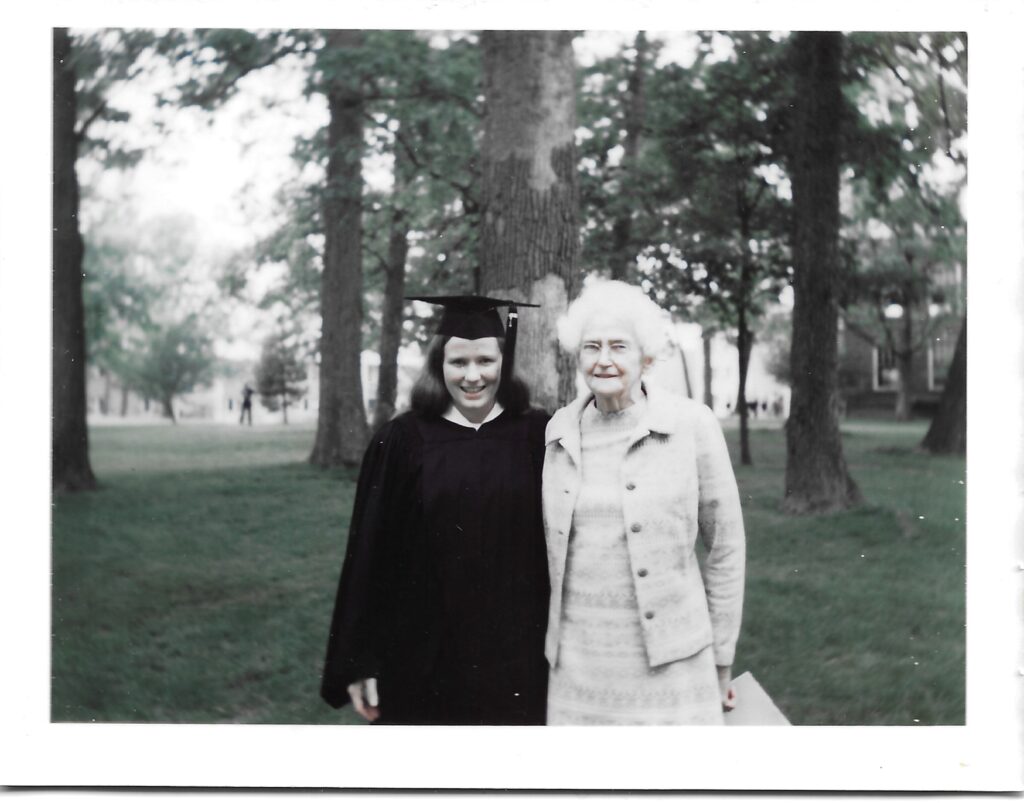
Luanna attended Berea College in Berea, Kentucky from 1968 to 1972. graduating in December 1972 with a degree in Elementary/Secondary Physical Education and Coaching. Berea is considered a “work college.” It doesn’t charge tuition to attend, but does require students to work at on-campus jobs that enhance their education and prepare them for life after college.
“I worked on-campus during college at hand weaving, sewing stuffed toys, lifeguarding, as a PE equipment manager, and as a student teaching assistant, Luanna shares. “I also played lots of inter-collegiate sports: field hockey, volleyball, basketball, tennis, track and field, softball. This was before Title IX, and we played schools like the University of Kentucky and the University of Louisville.”
Luanna’s interest in the mountain dulcimer was sparked when, as a student at Berea College, she had the opportunity to hear and see Jean Ritchie in concerts and workshops. “Jean was a convocation speaker during my first semester and spoke about her Appalachian roots, her life as a social worker in New York City, and, of course, sang as she played her mountain dulcimer. I loved the sound of that dulcimer. Jean stayed on campus and informally visited with students after her concerts. She demonstrated playing her dulcimer for the rest of the day. So, I hung around as much as I could when she performed. She usually came to the Berea campus at least once or twice a year and I attended as many of her concerts and workshops as possible.
“During my first semester at Berea, I was talking about Jean Ritchie and her mountain dulcimer to my family when I went home for Thanksgiving break. My father, who was a woodworker, found plans on how to build a mountain dulcimer in Popular Mechanics magazine. He made a mountain dulcimer for me, and I received it that Christmas in 1968.
“I taught myself how to play my lap (Luanna refers to the mountain dulcimer as a lap dulcimer) dulcimer from watching Jean Ritchie. I had two pamphlets on how to play the lap dulcimer in the beginning, one was by Jean and I’m not sure who wrote the other one. Jean came out with a book in the early 1970’s that I got. I also purchased a dulcimer book by Lynn McSpadden about the same time. I spent a lot of time just figuring out the folksongs we sang at 4-H camps. I took the dulcimer to summer camps, demonstrated it, talked about it and its history since it fit in with the 4-H mountain heritage themes.The dulcimer became my respite or escape. I could go off with my dulcimer, noodle around, pick out and play tunes and forget about what was going on in the rest of the world for a while. It provided me with times of peace and serenity.
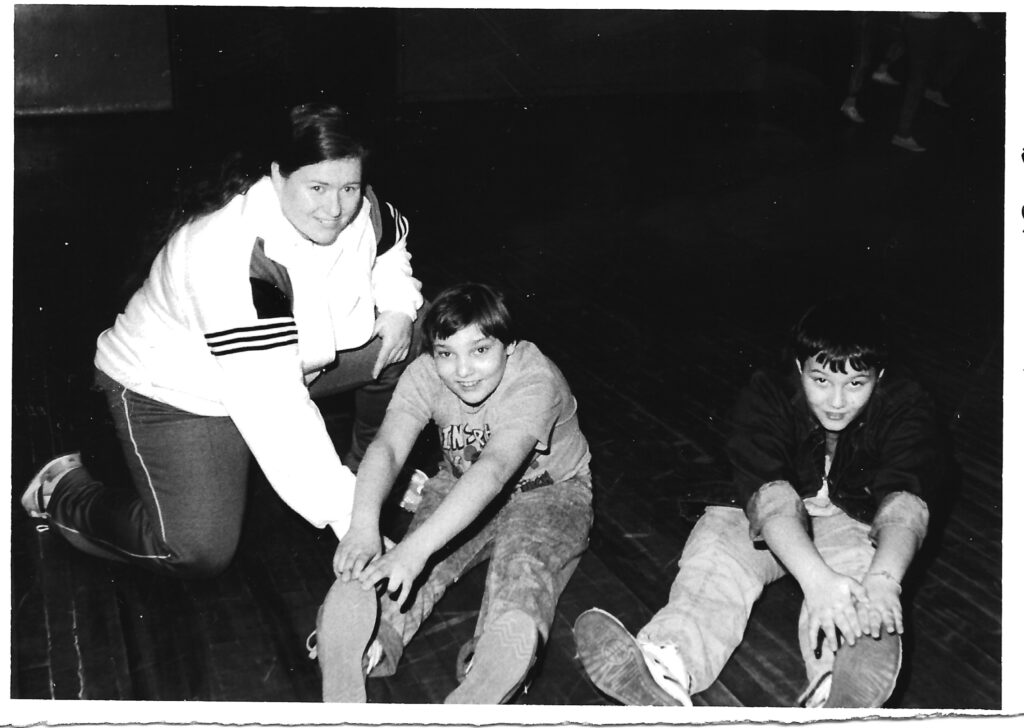
“During my last semester at Berea, I applied to graduate schools to get a master’s degree. When I applied to graduate school, I wanted to get as far away from Appalachia as I possibly could, and I did! However, in December of 1972, after graduating from Berea and before heading off to graduate school, I got a teaching job at Central School Building in Elkins. I was the first physical education specialist in Randolph County. This job ended in June of 1973. From August 1973 to 1974 I attended graduate school at Washington State University in Pullman, Washington. I had a graduate assistantship there teaching in the Physical Education department. While it was a wonderful experience, I quickly realized West Virginia was home and that was where I belonged. It also made me realize what an outstanding education I had gotten at Berea College. In August of 1974 I returned to West Virginia and began a forty-one-year career teaching Physical Education at seven different schools in Randolph County.”
Luanna continues, “As for my instrument playing, I took my first formal, lap dulcimer class with Tull Glazener in the 1980’s at the Augusta Heritage Center on the Davis and Elkins College campus in Elkins. This is where I learned to play chords and to play with other people. Then, I took an Augusta Community Class on the lap dulcimer, and this led me to begin playing Wednesdays at Pickin’ in the Park in Elkins in the mid to late 1980’s. Playing with a group of other musicians is a different skill than playing alone. It makes me a better listener. I’ve learned new tunes and some new twists and turns on old tunes. Playing with other musicians has also helped increase my confidence while playing.
“In the 1990’s I began tutoring lap dulcimer students for Augusta Heritage Center. I worked with individuals who signed up for classes that were way over their heads and beyond their playing ability. I’ve also taught some “mini classes” for Augusta, some before the pandemic and some after. Mini classes are from scratch through advanced beginners playing ability and are an early evening class that allows Augusta students and community members to try something new or different. I’ve taught four lap mini classes and one full class. The full class consisted of advanced beginner to intermediate lap players.”
I asked Luanna how she came to play the hammered dulcimer. “I loved the sound of the hammered dulcimer. I went to all the Augusta Heritage Center concerts and events held at Davis and Elkins College over the years. I particularly loved to hear Patty Looman and Maddie MacNeil play the hammered dulcimer. But, as I said, it looked too hard for me to play. So, I just enjoyed listening to others play it. In the meantime, I tried playing the guitar and had not done very well. Next, I decided to try the autoharp. I signed up for an Augusta Heritage Center community class on the autoharp. Well, no one else signed up, so the very first night they cancelled the class! It just happened that there was a hammered dulcimer class with Patty Looman being offered at the same time. Margo Blevin, Augusta Heritage Center Director at the time, asked if I would like to take the dulcimer class and if I did, she knew where I could borrow a [hammered] dulcimer. I already had the time blocked out and had paid my money for the autoharp class. So, I figured I would at least enjoy listening to the hammered dulcimer music, even if I couldn’t learn to play the instrument. I went to the second class with my borrowed instrument and was playing “Golden Slippers” before the class was over. I was hooked! Patty Looman was an excellent teacher.”
“That’s also how I was raised, to share those skills and knowledge that others had shared with me, to pass it on to others. That’s why I don’t charge for what I do. Any money I’ve gotten for teaching workshops or performances I’ve put into acquiring instruments to use when teaching others or I’ve donated to the organizations that have given me a place to teach.”
Luanna shared a fond memory of her time with Patty Looman recalling, “Patty ‘tricked’ me into playing with a group of other hammered dulcimer players the first time I ever played it in public,” She laughs“After just five lessons she invited those of us in her class to come to Wisp Ski Resort in Garrett County, Maryland where she was performing at an Elderhostel event. She said it would be a “jam session,” and we could just sit in the back and join in on the songs that we knew. So, another lady from her class and I let her talk us into it. When we got there, she had five or six other dulcimer players there and we were on a stage facing an audience of Elderhostel participants! I was ready to leave but decided I couldn’t do that to Patty. We played for about an hour. We played all the songs I knew, and they played a whole lot more. I survived—after I got over being scared to death! But it was a good experience for me.”
She goes on to explain the plan she made for retirement. “I had decided fifteen or so years before I retired from my teaching job that I wanted to teach others to play the lap dulcimer. To achieve this, I started making cardboard lap dulcimers. I shopped Ebay for cheap dulcimers that were unfinished kits or slightly damaged—ones that I thought I could fix. Some friends gave me old dulcimers that needed fixing. I now have about thirty lap dulcimers and four hammered dulcimers for loaners and when I do school workshops.
“For me there is just a very special feeling to be able to play an instrument that I made, or is made by someone special that I know. The first instrument I made, about 1980, was a lap dulcimer with a cardboard body from a kit. I still have it, and it sounds good. Since then, I’ve made 25-30 cardboard lap dulcimers and have taught three classes for students on how to build their own cardboard lap dulcimer. Since retiring, Luanna has continued to share her gift for teaching as well as her love for dulcimers and music with children during summers at 4-H Camp Pioneer in Randolph County. She has also taught basic, beginning lap dulcimer skills to school children in Tucker, Randolph, and Pocahontas counties. “I particularly like working with school kids,” Luanna shares, “I like to see kids in a class or two at a time so that I can put one of my lap dulcimers in each student’s hands. In a half hour, I’ll have them playing 2 or 3 simple songs, maybe more. I have worked with students in pre-school to seniors in high school. With pre-K and kindergarten students they usually just strum along with me as I play a tune.
“When I perform in public, I always ask what size group I’ll be presenting to, the type of music they would like to hear, as well as the length of time I’ll have to perform. I ask about the space and environment I’ll be performing in. If they don’t know, then I talk to them about the kinds of things I’ve done for other performances. When I choose music, I tend to pick tunes I like to play. If my students are playing with me, I make sure to have several tunes I know they are comfortable playing.
“I don’t think of myself as a performer. I would much rather have a group playing with me. I’m a little less nervous and they cover up some of my mistakes! I often invite my dulcimer students to play along with me for various events. I feel they need to get out and play in front of others. It helps them to be able to go out on their own.”
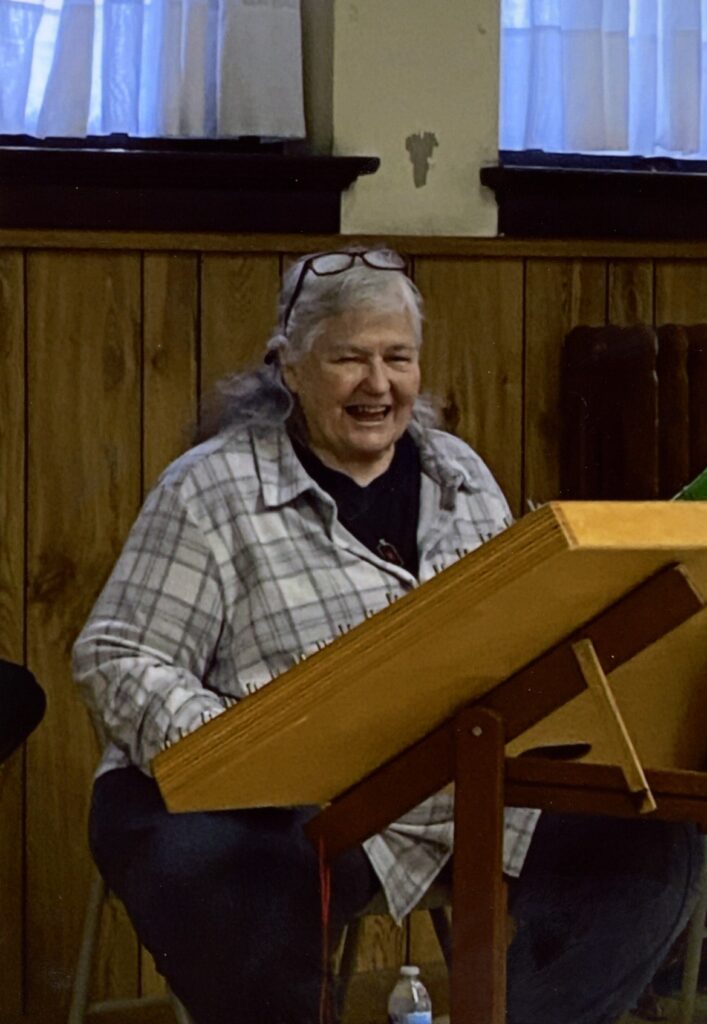
Every Wednesday, Luanna arrives at the Randolph County Senior Center organized and ready to teach her hammered dulcimer participants. Her many years involved with 4-H and, as a teacher, have allowed her to hone her skills when introducing new songs to our group. Luanna always provides the social and historical background about new songs she introduces. She furnishes sheet music she creates using her computer software for the tunes we play that incorporate the notation, lyrics, and tablature.
Luanna has a gift for being non-judgmental about your playing ability. She is always supportive, encouraging, and gladly works with you at your level. She has a fine-tuned method to include all ability levels of group members making her sessions enjoyable for everyone. She may glance at a song’s notation occasionally before putting her hammers to the strings but plays most songs, as a traditional musician, from memory and “by ear.” Luanna regularly asks, after the first run-through of a song, if there is any part that gives you trouble when playing and, if so, will offer tips and suggestions to improve your playing. Then, it’s re-playing the song and sometimes slowing the tune down a few times to iron out the rough spots and correct mistakes. Chording progressions, along with a bit of music theory, often find their way into weekly sessions.
At times, Luanna will offer little challenges with the intent to advance our skills and musicality. She often makes fun of her playing and computer notation mistakes, graciously acknowledges them, and accepts our input with thanks for calling her attention to them. She puts a good deal of fun into her instruction and there’s always loads of laughter at each session. When I first began attending her hammered dulcimer class, I was surprised to find that she never charges students for her lessons, her time, or the music she provides!
“Luanna’s devotion to promoting the lap and hammered dulcimer and, providing public exposure to them, serves to ensure the continuity of passing our dulcimer culture along. Her motivation and tenacity to keep West Virginia’s dulcimer heritage alive serves to inspire and enrich her community and West Virginia.”
Luanna has a massive inventory of eclectic music gathered over the years and contained in 3-ring notebook binders. “I’ve put together ten notebooks that I have tabbed. One is all Christmas music. Five others are music I’ve gotten from other people like Patty Looman tunes, Fiddle Support Group tunes, popular tunes, and two of workshop tunes, etc.
“The only thing Patty Looman ever asked, for all the free music and lessons she gave, was for you to continue to share the two instruments and the music however you could, be it playing or teaching. Her mantra was ‘go and teach others!’
“That’s also how I was raised, to share those skills and knowledge that others had shared with me, to pass it on to others. That’s why I don’t charge for what I do. Any money I’ve gotten for teaching workshops or performances I’ve put into acquiring instruments to use when teaching others or I’ve donated to the organizations that have given me a place to teach. At this point, teaching the dulcimers and playing for others is a labor of love. It keeps me playing, learning, and gives me opportunities to play with others.”
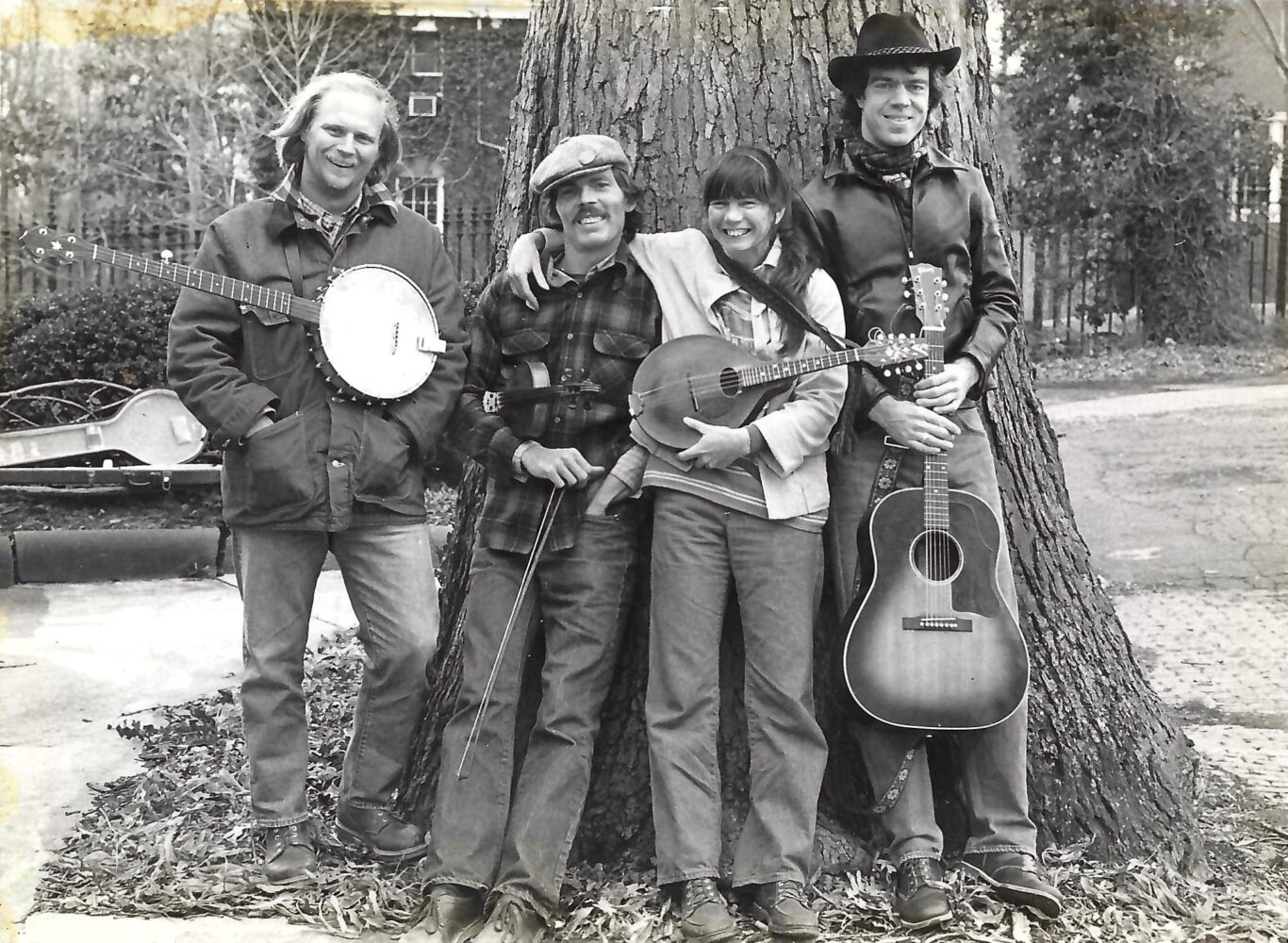
Luanna, along with musician friends and her students, often performs around the region. They have played in numerous churches and nursing homes in Randolph, Upshur, and Barbour counties, as well as at Senior Centers in Tucker, Lewis, Randolph, and Upshur counties. In addition to these performances, she and her groups have played at various community events such as Open House at the Kump Mansion in Elkins, the Augusta Summer Festival in Elkins, the Sites Homestead at Seneca Rocks, the Cass Scenic Railroad, etc.
“I think of myself as a teacher and sharer. I know lots of people out there that play much better than I do—including some of my students. At the same time, I know for some people, I’m the first and only dulcimer player they’ve ever seen.”
In addition to participating in Augusta Heritage Center’s November Dulcimer Weekend at Blackwater Falls State Park in Davis (Tucker County), Luanna has been actively involved with other dulcimer organizations in North Central West Virginia as well. One such group is the Mountaineer Dulcimer Convention (Club) of West Virginia. This group of musicians meets twice a year at the Central United Methodist Church in Fairmont (Marion County). The emphasis has been, and continues to be, on learning, playing, and sharing Appalachian tunes and keeping the tradition of dulcimers alive.
According to Luanna, “it was founded by Russell Fluharty. Russell’s grandson said Russell started it in the spring of 1971. Meetings were first held in Mannington, West Virginia. Russell chaired it until his death in 1989, then Patty Looman took over the chairmanship, and the group began meeting in Fairmont. I started teaching tunes there when Patty no longer could—that would have been 2011 or maybe 2010. Norma Rittenhouse schedules the church and sets the date. She usually checks with me on possible dates, always in April and September. Judy Werner sends out emails and publicity. As far as I know that is the organizational structure of things. In the beginning I split the teaching of tunes with Darlene Fox, she would teach a tune then I would teach one. Occasionally, someone else has been willing to teach a tune.”
Luanna also has taught at the annual PattyFest, an old-time music festival that began in 2002 and continues today in Patty Looman’s memory after she passed away in 2012. “I’ve been attending Pattyfest since it began in 2002. I have missed attending once or twice. I began teaching there about 2005, ” Luanna shares. PattyFest is held at East Fairmont High School in Fairmont, The mission of the festival is to keep the “music of the mountain dulcimer and hammered dulcimer alive and well today in West Virginia and far beyond.”
Luanna’s diligence in teaching, performing, and preserving traditional music comes from her strong family ties and years of 4-H participation. It also reflects her interest in her Appalachian cultural heritage. She has a “deep passion for the music, the musicians, the culture, the place, and the process of “passing it on.”’
Luanna’s devotion to promoting the lap and hammered dulcimer and, providing public exposure to them, serves to ensure the continuity of passing our dulcimer culture along. Her motivation and tenacity to keep West Virginia’s dulcimer heritage alive serves to inspire and enrich her community and West Virginia.
I have a profound sense of gratitude to Luanna Moore for carrying on the legacy of the mountain and hammered dulcimer as she continues to provide sweet dulcimer music for us all.

ALESIA WAYNE
Wayne, Alesia. “Sweet Dulcimer Music: An Interview with Luanna Moore.” Goldenseal West Virginia Traditional Life, Winter 2025. https://goldenseal.wvculture.org/sweet-dulcimer-music-an-interview-with-luanna-moore/