Text and Photos by Candy Thompson
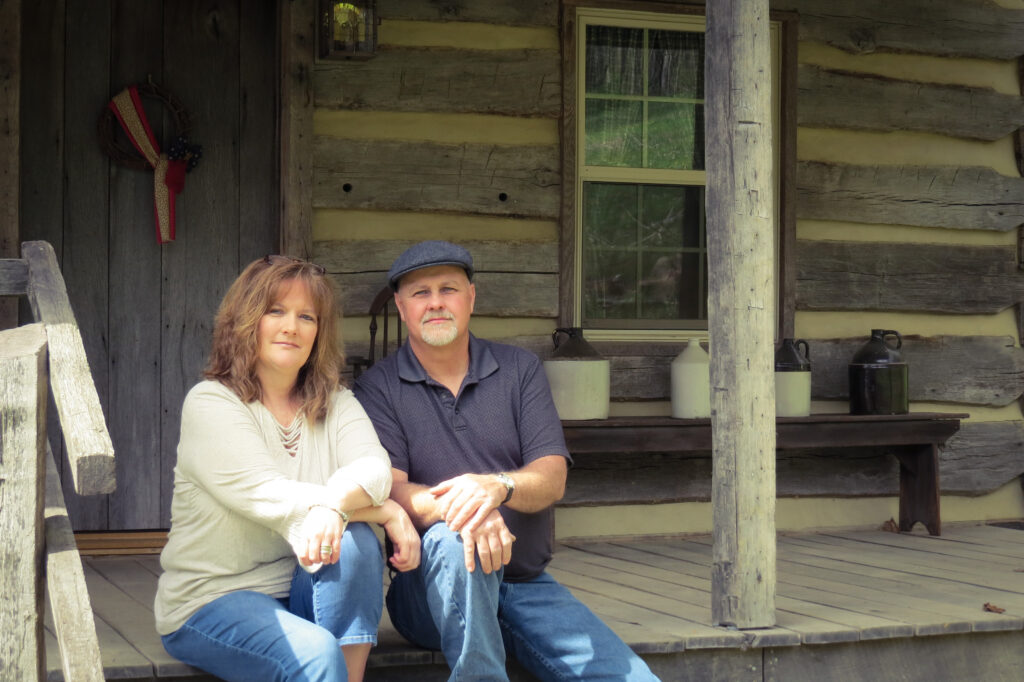
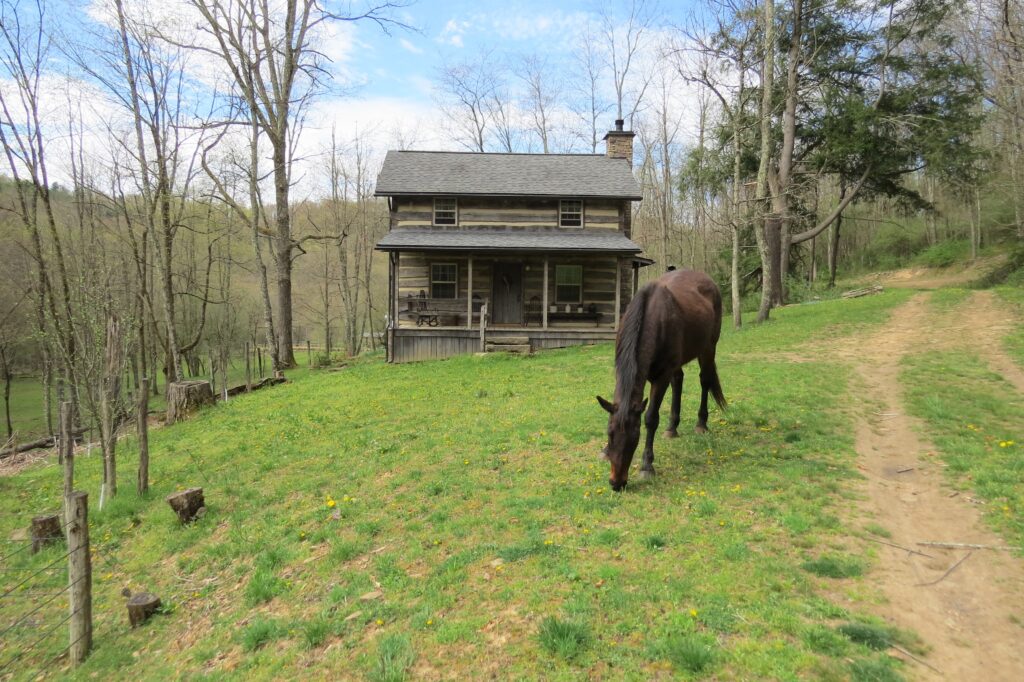
I was invited to visit the pioneer homestead that my cousin Jason Jones and his wife Amy have built in the foothills of Preston County. I soon arrive in front of a manmade wooden gate that is left open for me to enter. The 1820’s two-story log cabin with a rock-built chimney appears within the horizon. It is constructed from white oak and some American chestnut. It was torn down in Kentucky, log by log, and brought back to West Virginia, to be restored in its original condition.
Jason and Amy come out to greet me. Both are anxious to show me around. As I get out of my car, I am being taken back in time—back to a life of simpler traditional values.
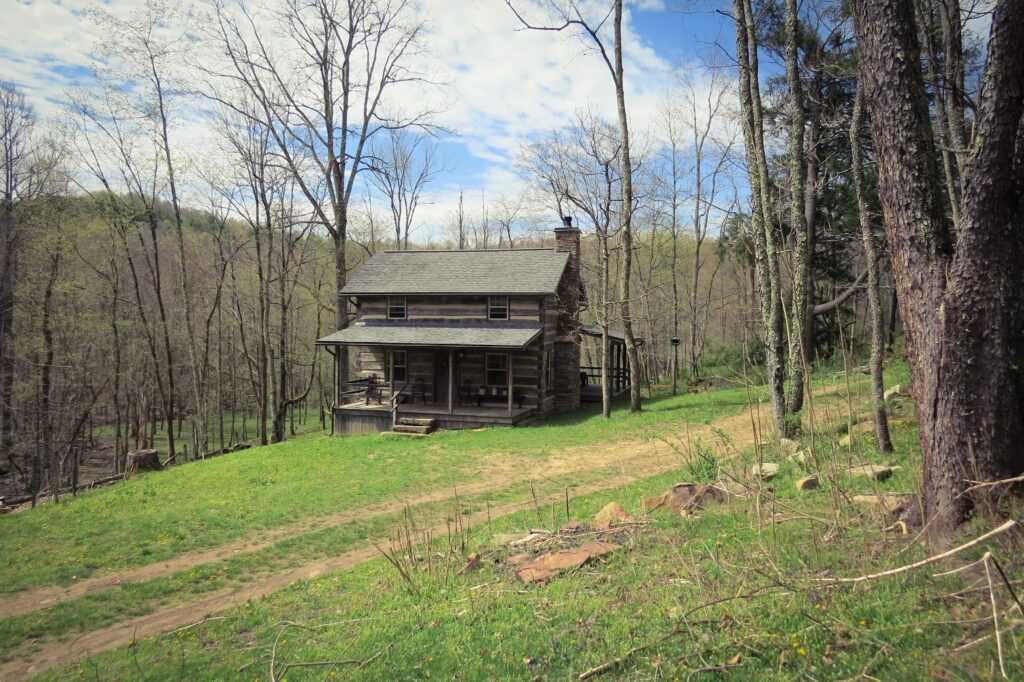
We step up on a couple of huge flat rocks that make steps leading us up to the porch. I am struck by the history of this place and begin to imagine a time when families would sit on this wooden porch in the evenings after supper. They would talk and count their blessings from the day and plan their tomorrows.
The cabin door is built of vertical slats, and two vintage wooden chairs sit on opposite sides of the door, creating a welcoming entrance to their home. From the front porch, we pause to admire the view of the trees and the mountains that surround it.
Jason has worked on their homestead weekends and evenings after work since 2013. He had the help of his father, Charlie, in the beginning. The two always shared a close bond, and the joint effort they shared in building this cabin bought them even closer together.
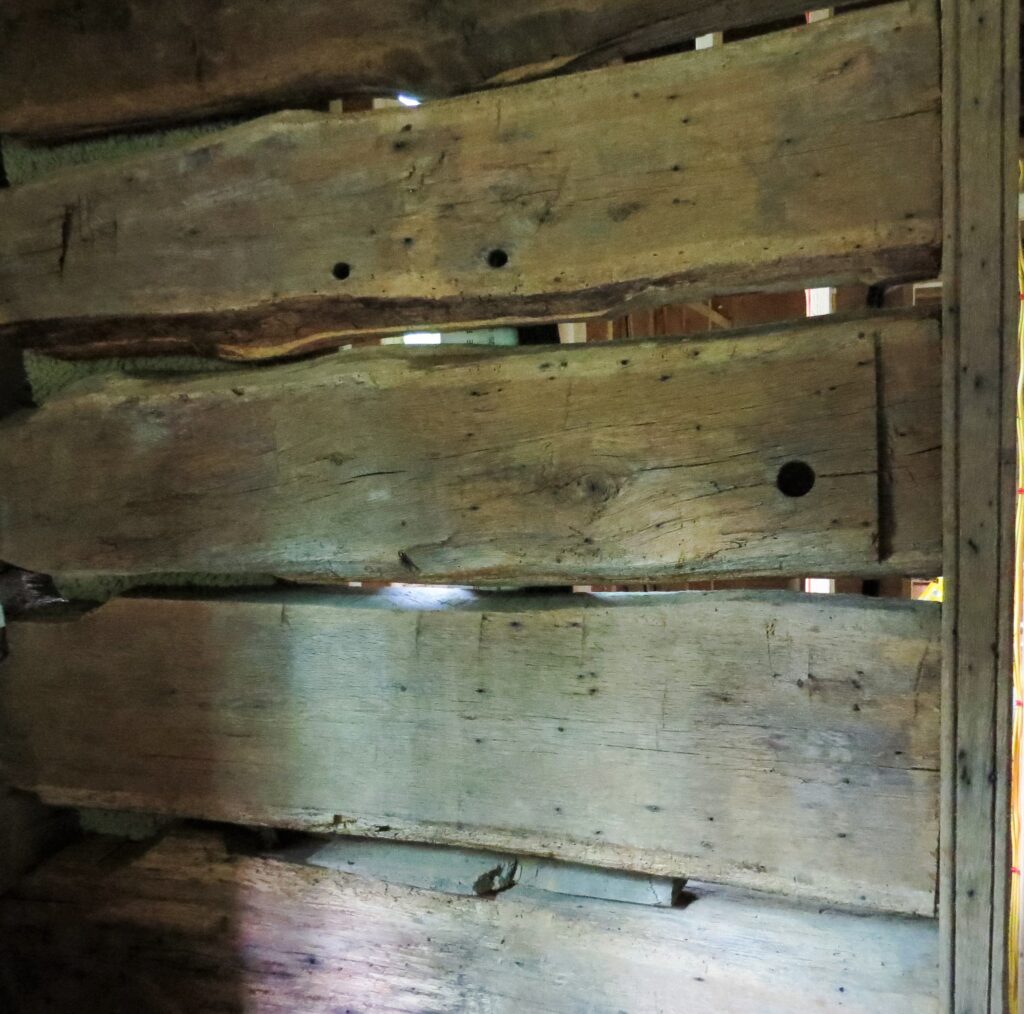
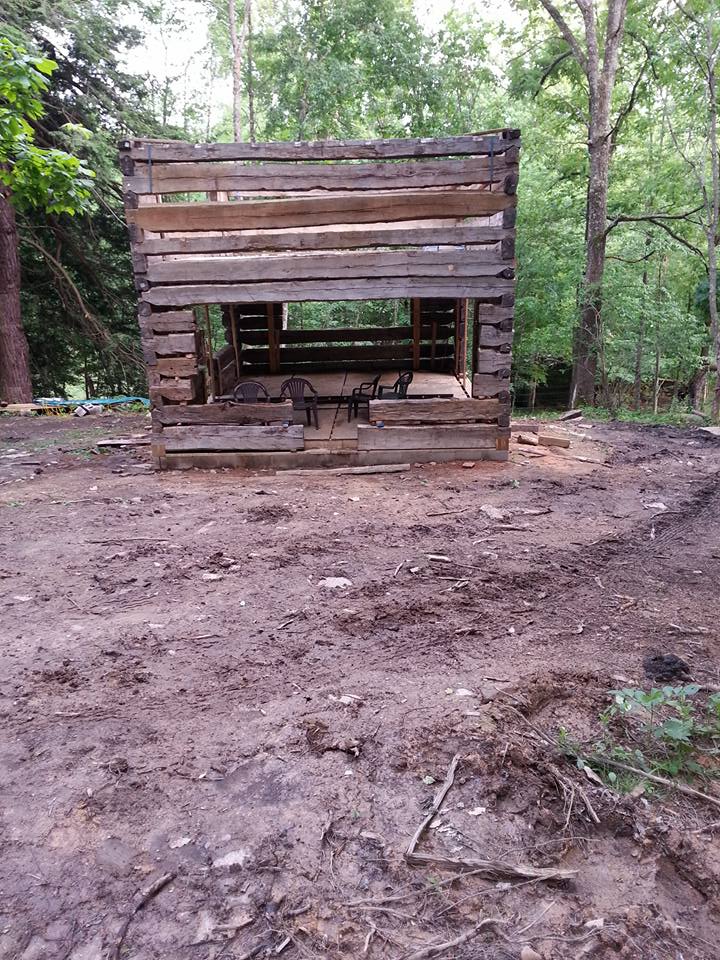
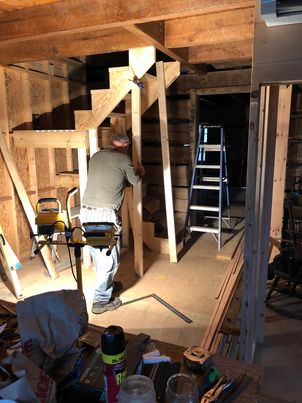
Charlie passed away in 2016. Jason cherishes the talks they had and the time they shared restoring the cabin. Jason has grown into the craftsmanship his dad passed on to him over the years. He is very conscientious and paid close attention to the smallest detail in the building of their log home—from the exterior to the interior. His goal was to restore the cabin, as accurately as possible, to its original time period. He shares, “I have put a lot of hard-working passion into building our cabin.”
I observe how Jason has skillfully picked out flat rocks and carefully placed them around the foundation to create a fitted wall pattern. Along the bottom of the porch are vertical rough board slats. Since Jason’s retirement in 2021, he has been able to complete the main aspects of the cabin, making it livable.
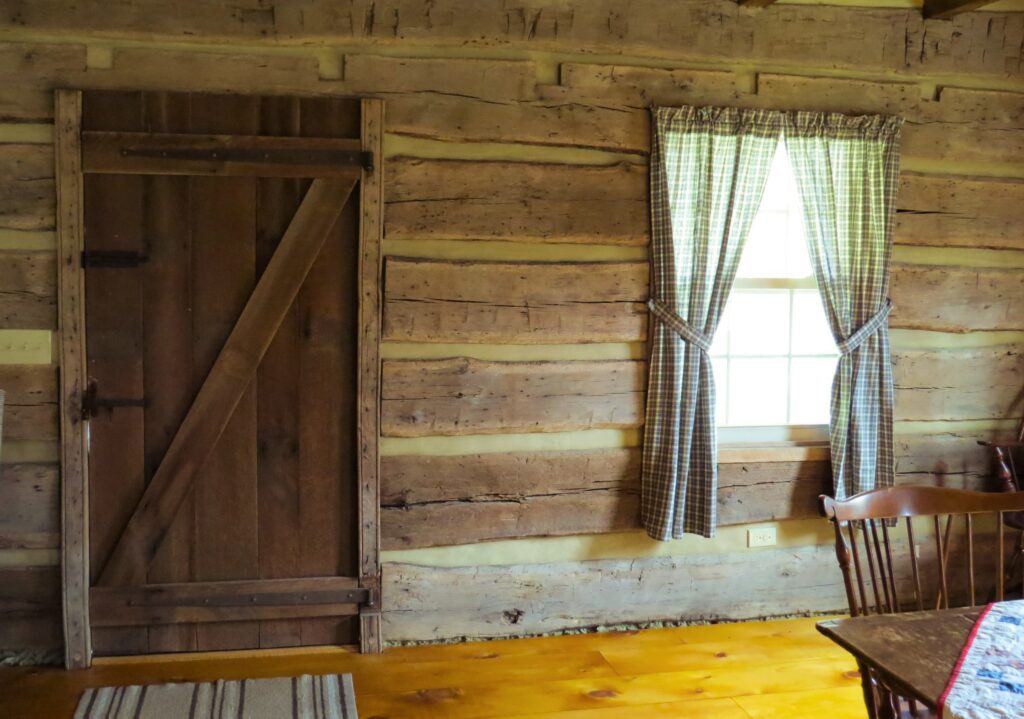
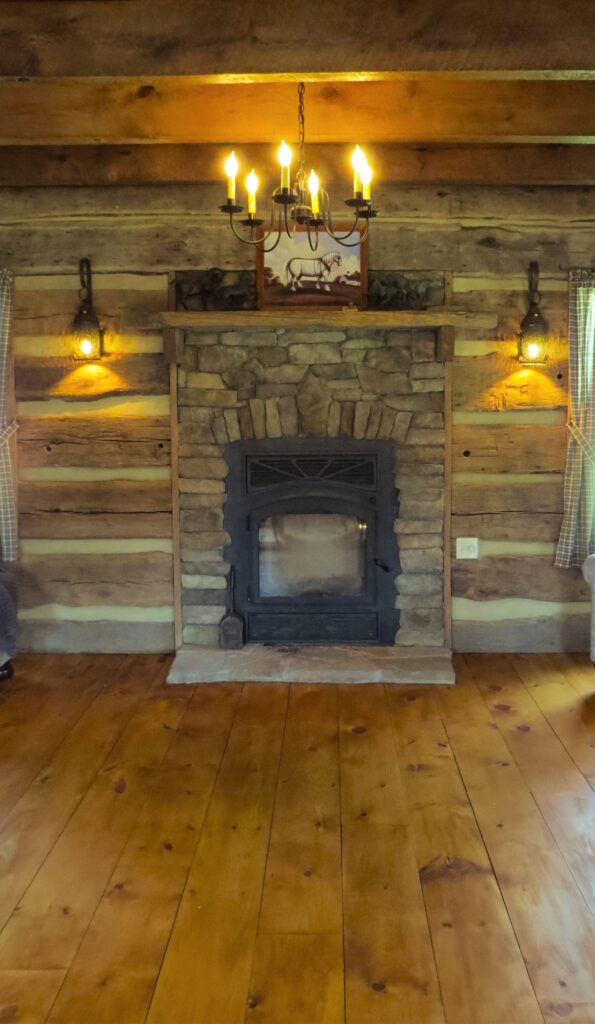
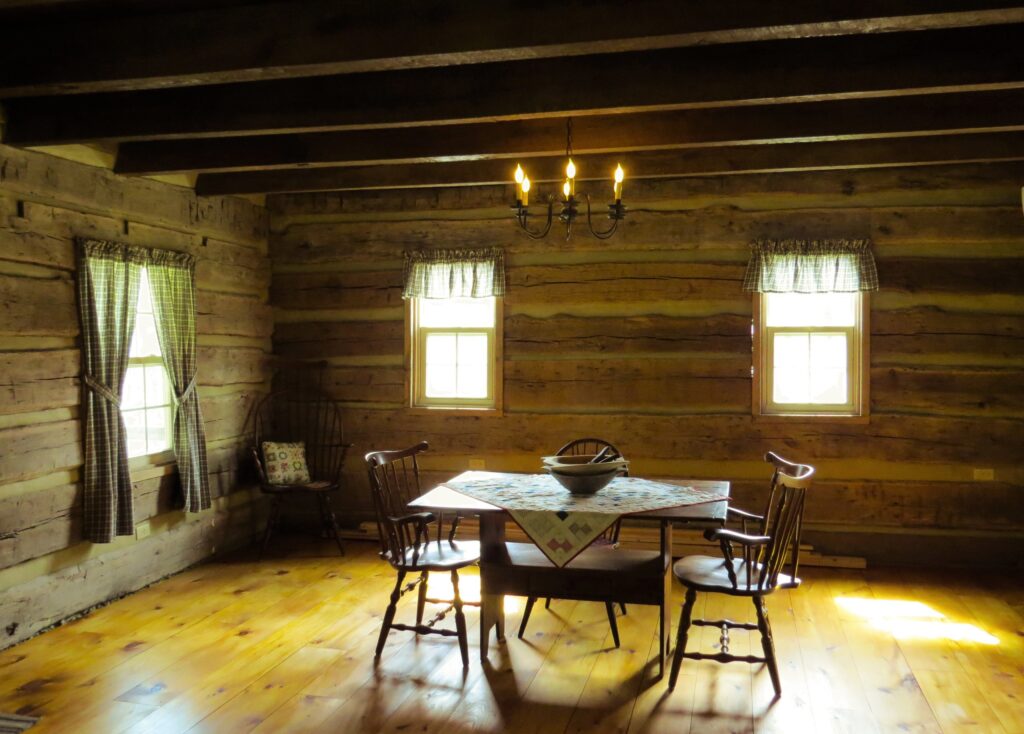
When you open the hinged front door, you enter a huge living and dining area that stretches across the front of the cabin. The rock fireplace is centered on the right side. The mantle of the fireplace is a hand-hewn log split in half. Jason shows me how he used rosehead nails and strap hinges throughout the home to keep the design historical. Each element of the home was carefully selected. The floors are constructed from beautifully crafted, wide-plank pumpkin pine. The door frames are made from age-old wooden beaded floor joists.
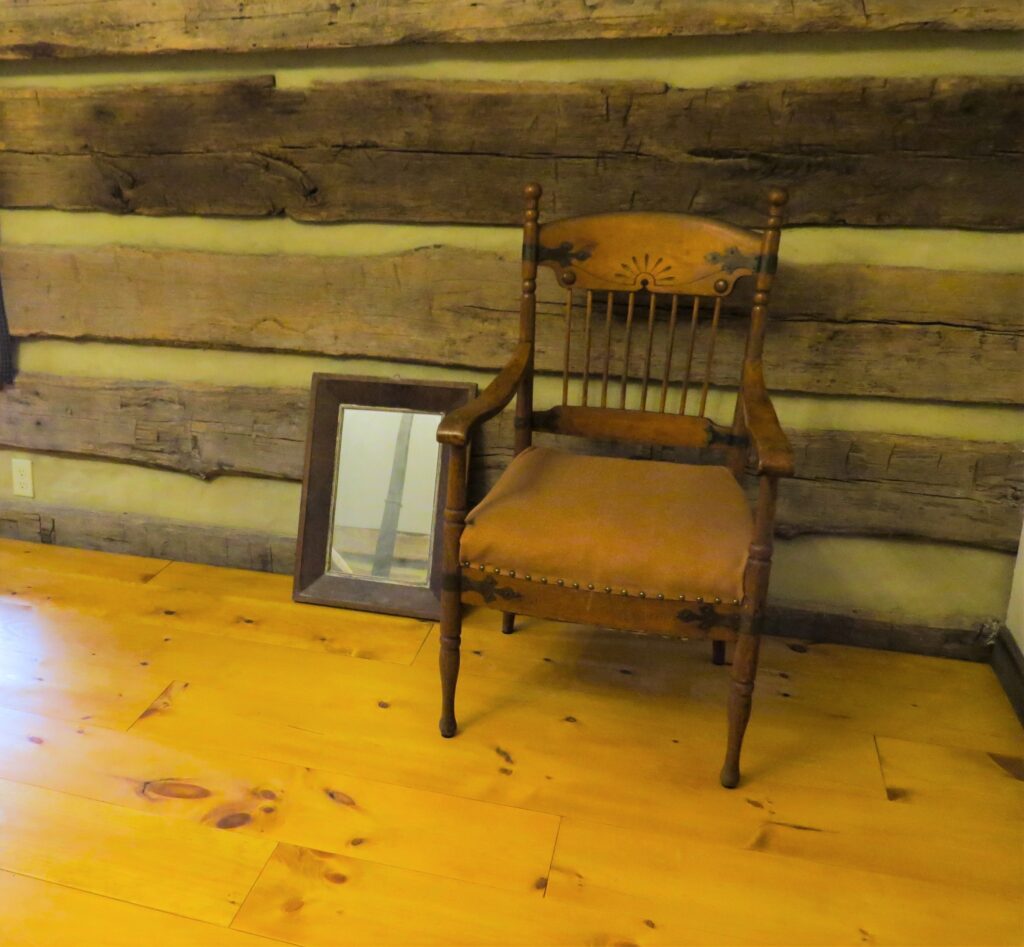
Furnishings representing the 1800s fill the home. They have an antique dining table with a tilt top. When company comes, it can be opened and used for extra bench seating. In the kitchen, Jason is busy designing wood-crafted cabinets. A pioneer dry sink sits in the middle of the room. A timeworn peg coat rack hangs on the wall by the kitchen door.
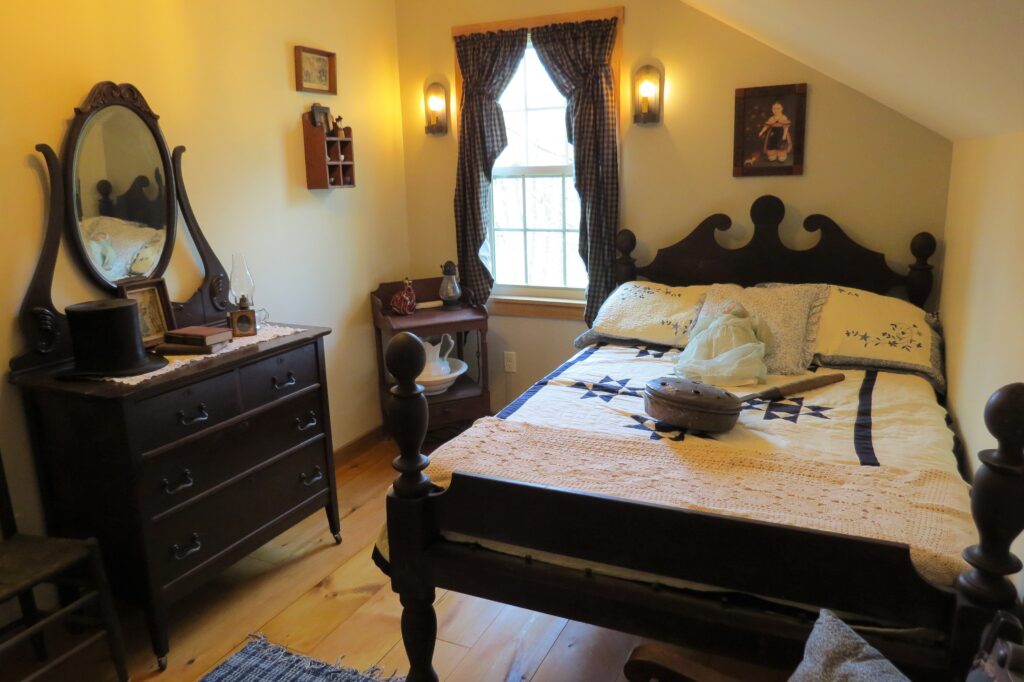
There is a winding, narrow wooden staircase that leads to the upstairs loft. Here you will find an old-fashioned roped bed and vintage dressers. An antique bed warmer is handy to use on long, cold winter nights. The bathroom is complete with a clawfoot bathtub.
Amy and Jason have traveled the countryside, looking for furnishings to honor the era of their home. The hunt for the traditional items was part of the restoration journey they have enjoyed together. They picked up items at antique shops, auctions, and flea markets. Amy says, “We are trying to keep it true to the pioneer period with a few modern conveniences. Nothing real fancy, because the original homesteaders would have lived rugged and bare-necessity lives.”
“When you open the hinged front door, you enter a huge living and dining area that stretches across the front of the cabin.”
Amy has kept a journal of their pilgrimage in building their pioneer home. From the delivery of the logs to the reconstruction of it, including the hunt for the age-old furnishings inside—a journal that they will share with their children and grandchildren.
Amy and I decide to take a walk down to see the horses and the barn. There’s a peaceful tranquility that fills the air, and we pause for a moment to watch the horses (Patriot, Harley, and Sunny) grazing in the field. The warmth of the afternoon sun shimmers across their backs. They take little notice of us, as we slowly make our way across the field. A wooden fence runs parallel across the edge of the woods, marking the boundary for the horses to graze in.
As we are walking, the beauty of the land unfolds. The cabin is located in a valley with surrounding trees that cover the hillsides. The treetops are so tall that they appear to touch the clear blue sky. This is truly a hidden country gem.
Besides keeping the historical era of the cabin in place, Jason and Amy are extending this practice to include everything they build on the property, from wooden fences to other outdoor structures. They are also careful to protect the natural tree-covered surroundings. You feel like time has stood still here.
Behind the cabin, the hillside creates a natural place to hike through the woods, exploring plants and trees. The hills are covered in maple, oak, locust, and walnut trees with different shades of green foliage. A pond along the lower edge displays a reflection from the trees and the grass that surrounds it. A natural spring feeds into the pond and supplies water for the horses. Many different kinds of wildlife inhabit the surrounding woods. There are deer, pheasants, turkeys, and all kinds of birds to be seen and heard.
We start walking across a small wooden bridge to the barn. The handrail is sturdy and crafted from small limbs with the bark still intact. A small trickling stream runs under the bridge. The clear mountain water runs over the multitude of rocks along the way, purifying the water in the stream. The wooden barn sits in an open area surrounded by shade trees. Jason built the barn, and his dad supervised the construction of it.
Here in this country haven, Jason and Amy are reliving the slower-paced days of their ancestors and the old-fashioned everyday life they cherished. Like being able to open windows early in the morning, while the fresh scent of the spring blossoms fills the air, listening to summer birds singing in the daylight, and frogs croaking at night under starlit skies.
This pioneer mountain setting is a place where their grandchildren play and run through the wildflowers that grow in the valley, riding horses across the meadows and enjoying fishing in the pond. All this, while sitting on the front porch and watching the leaves change color and shed from the trees through the seasons. They embrace the memories they are creating with their grandchildren. Jason says, “Building this log home is my labor of love. I want to leave it to my children and grandchildren for them to remember me by and enjoy with their children.” For Jason and Amy, life here in their log cabin will bring joy to their hearts today and will continue to do so through their golden years.

CANDY THOMPSON
“A Country Haven.” Goldenseal West Virginia Traditional Life, Fall 2025. https://goldenseal.wvculture.org/a-country-haven/